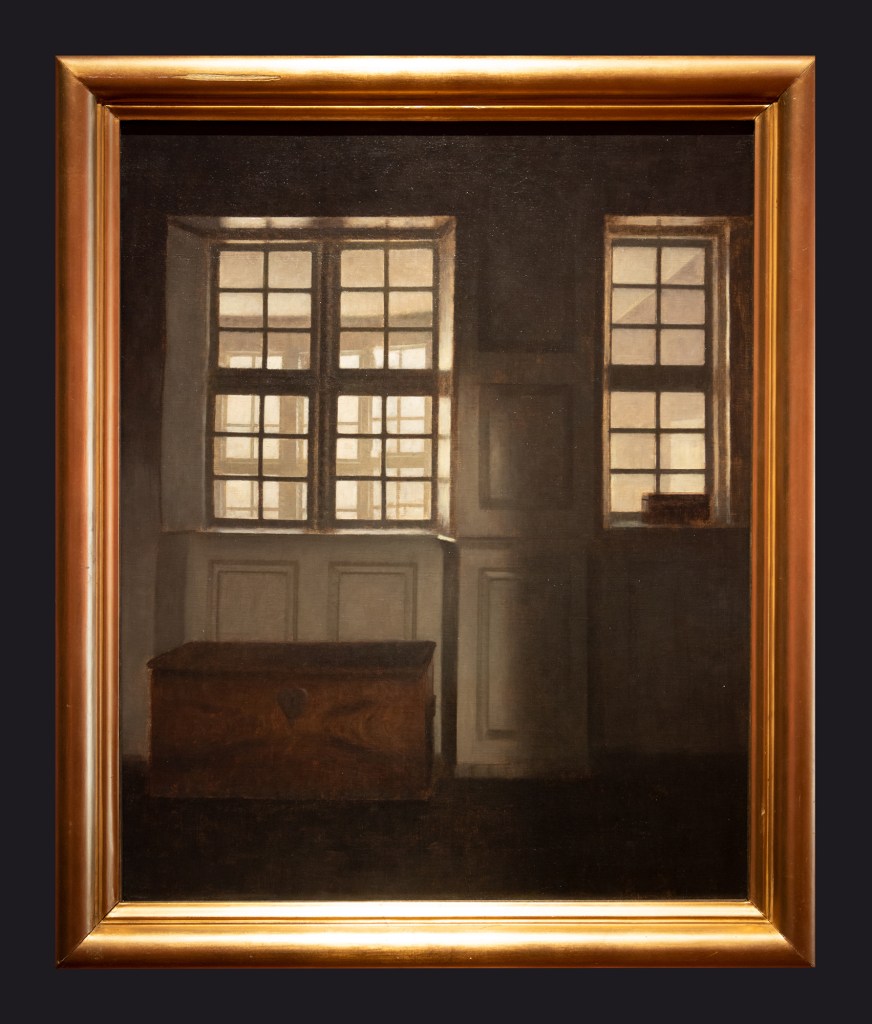
 Room with a View of the External Gallery. Strandgade 30 (1903)
Collection: Davids Samling, Copenhagen
 Open Doors. Strandgade 30 (1905)
Collection: Davids Samling, Copenhagen
 Sitting Room. Study in Sunlight. Strandgade 30 (1906)
Collection: Davids Samling, Copenhagen
all photographs © 2019 Leslie Hossack
After months of researching Danish artist Vilhelm Hammershøi, Leslie Hossack travelled to Copenhagen to view his paintings as they were meant to be seen – framed on a wall.
Hossack photographed works by Hammershøi in three galleries in Copenhagen, as well as Paris, Ottawa and Toronto. It is important to note that the 100 images she created are not colour corrected; rather, they reflect the actual viewing conditions encountered in each gallery. For example, the Hammershøi paintings in the David Collection are in a room with coral coloured walls. Thus the photographs above have a red cast to them.
Hammershøi’s works, particularly his interiors, are known for their lack of colour. But in reality, his muted grays reward the gallery-goer with a tantalizing range of luminous colours, as can be seen in the images above.
“The artist developed into a value painter, in whose work each gray tone contains an undercoat of red, brown, green, blue, for example, but whose overall expression is gray.”
Henrik Wivel, Hammershøi in the David Collection (2017)
Above we see the interior of the apartment at Strandgade 30 where Vilhelm and his wife Ida lived from 1898 to 1909. Characteristically, the sparse rooms are staged and devoid of people.
Hammershøi’s oeuvre consists of portraits, nudes, landscapes, architecture and interiors, but it is his interiors, like the three shown above, that were the most popular in his lifetime (1864-1916) and continue to draw the strongest response today. Hammershøi painted over 100 interiors in the various apartments he shared with his wife Ida in Copenhagen. Their home was both his studio and a major motif in his work.
Over a century ago, Danish painter Vilhelm Hammershøi elevated
“Stay At Home. Work At Home.” to an art form.
Leslie Hossack’s Hammershøi Photographs are part of a larger body of work that explores Hitler’s Berlin, Stalin’s Moscow, Mussolini’s Rome, Churchill’s London, contested sites in Jerusalem, the NATO Headquarter Camp in Kosovo, buildings linked to the Japanese Canadian internment during WWII, the D-Day landing beaches of Normandy, the Nazi-occupied Channel Islands, Scotland’s Freemasons and Sigmund Freud’s Vienna.
To view more photographs by Leslie Hossack, please visit lesliehossack.com
 Kongevejen at Gentofte
 From a Farm. Refnœs
 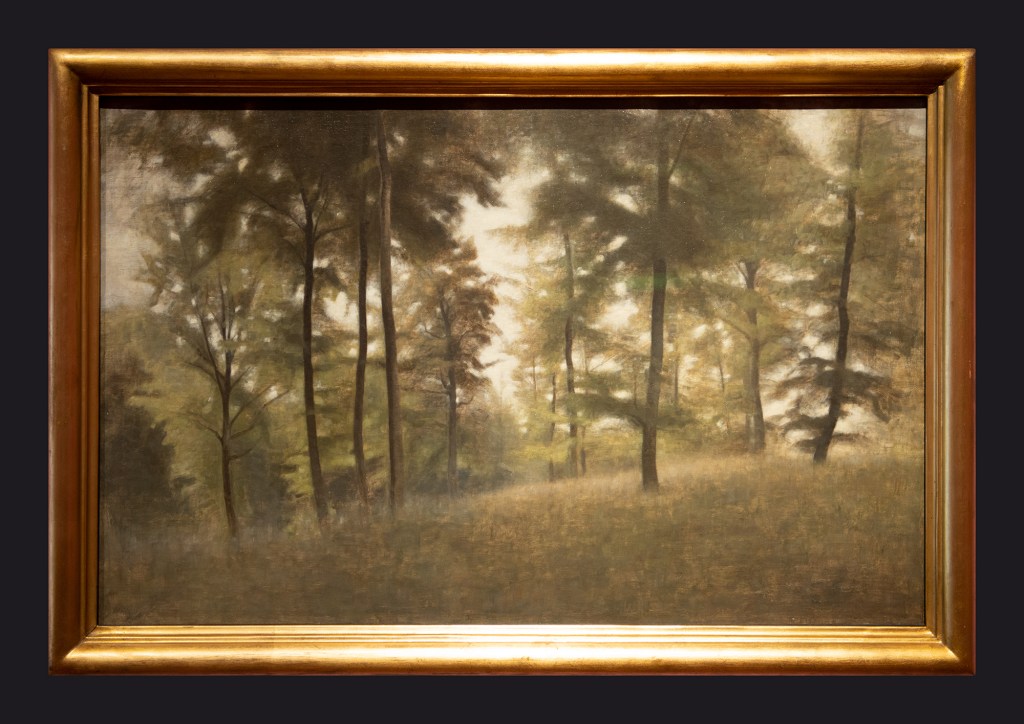 Young Beech Forest, Frederiksvoerk
 Three Ships, Christianshavn Canal
 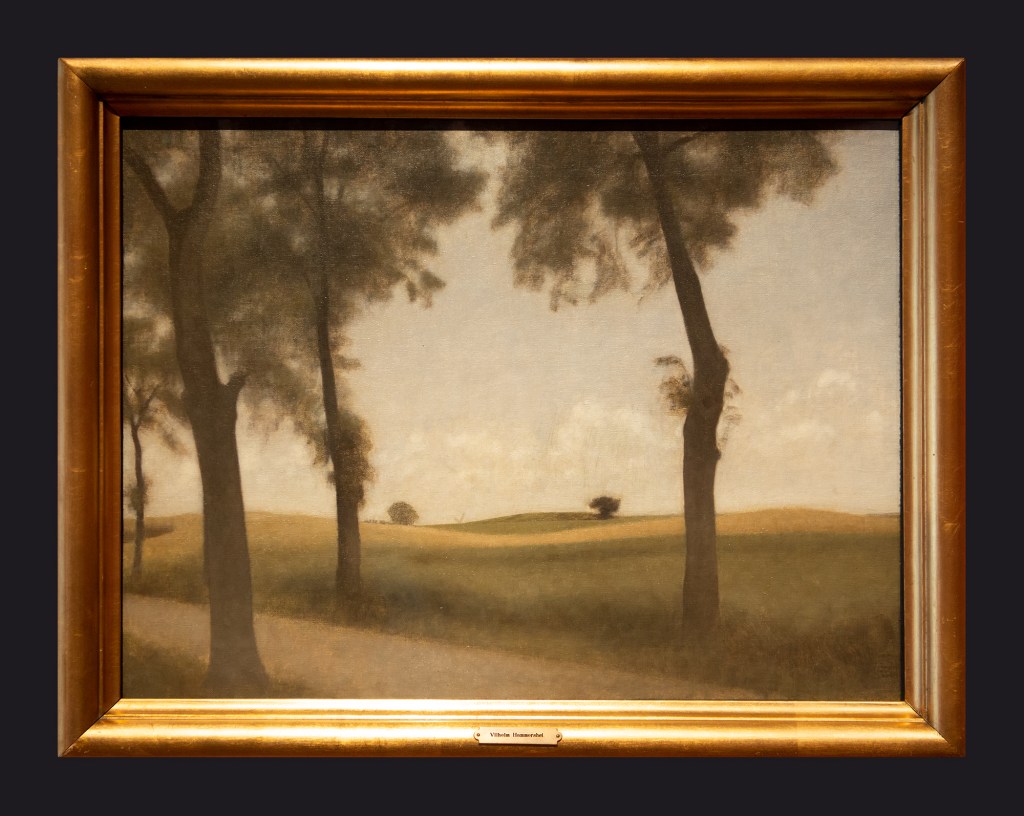 The Rowan Avenue at Snekkersten (1906)
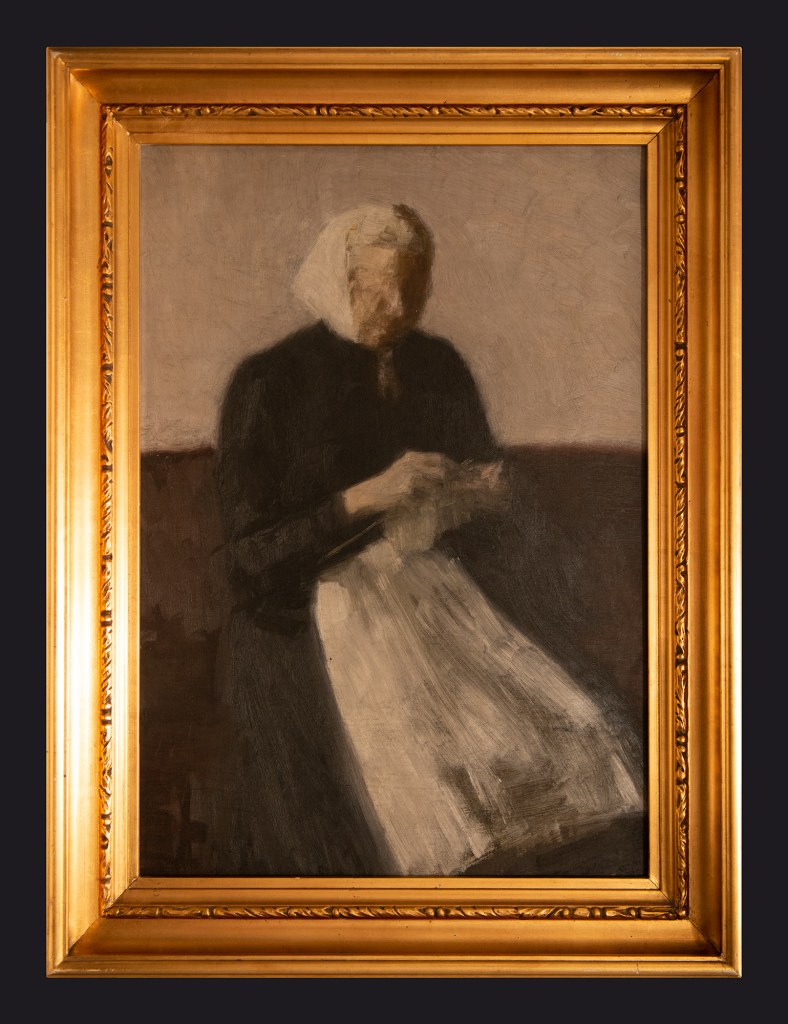 Woman Knitting. The Artist’s Mother
 Woman Seated on a White Chair, on reverse of above canvas
 Evening in the Drawing Room. Two Women at a Round Table
 Portrait of a Young Girl. The Artist’s Sister Anna, drawn replica
 Double Portrait of the Artist and His Wife
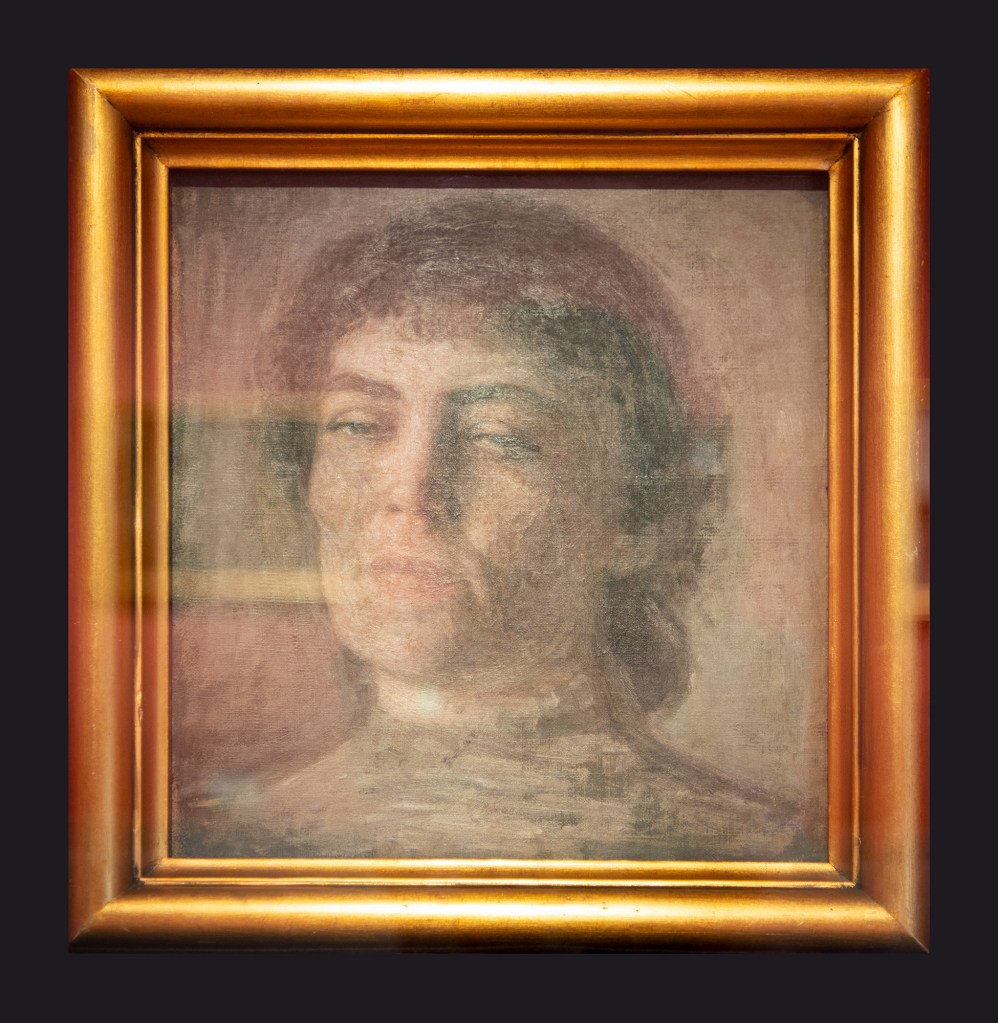 Portrait of Thora Bendix
 Portrait of a Young Woman, the Artist’s Sister Anna (1885)
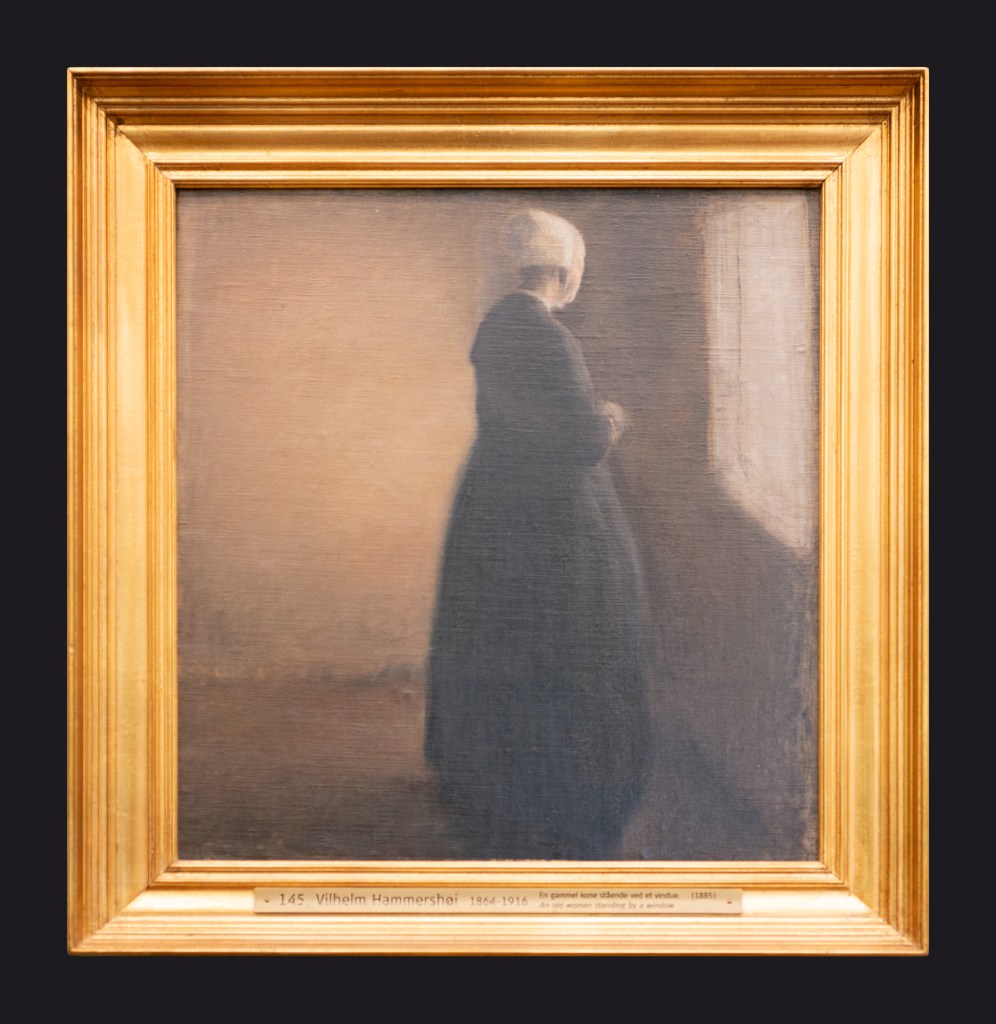 An Old Woman Standing by a Window
 An Old Woman Sitting
 Maleren Kristian Zahrmann, The Painter Kristian Zahrmann
  Daniel Jacobson Salter
 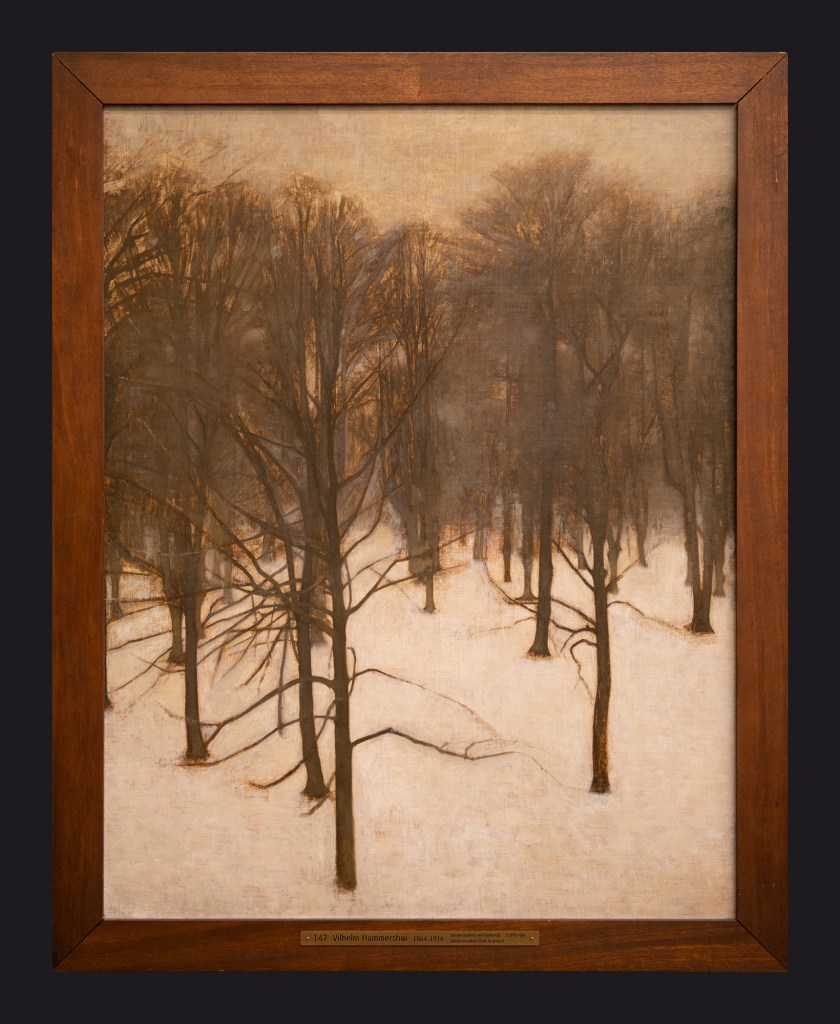 Sondermarken ved vintertid (1895-1896)
 Landscape Gundsomagle ved Roskilde
 Interior in Louis XVI Style, from the artist’s home, Ny Bakkehus, Rahbeks Allé
  Interior. An Old Stove
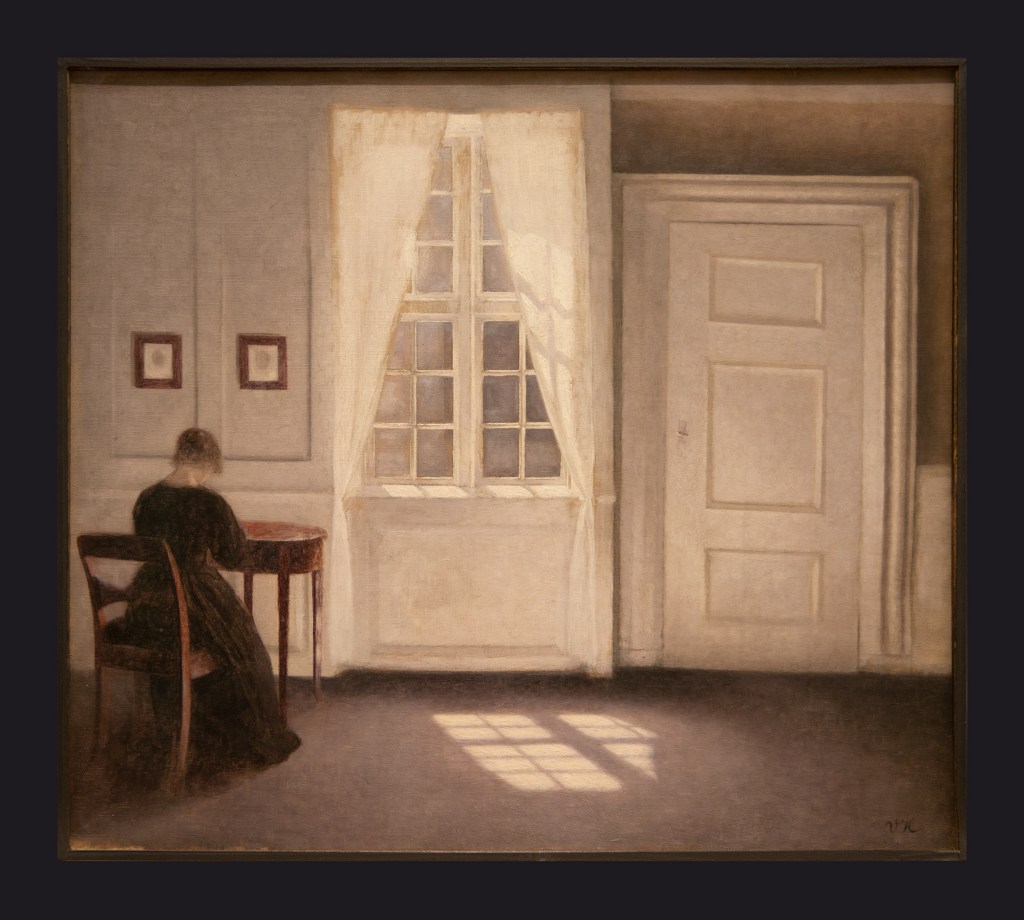 Interior in Strandgade, Sunlight on the Floor
 A Room in the Artist’s Home in Strandgade, Copenhagen, with the Artist’s Wife (1902)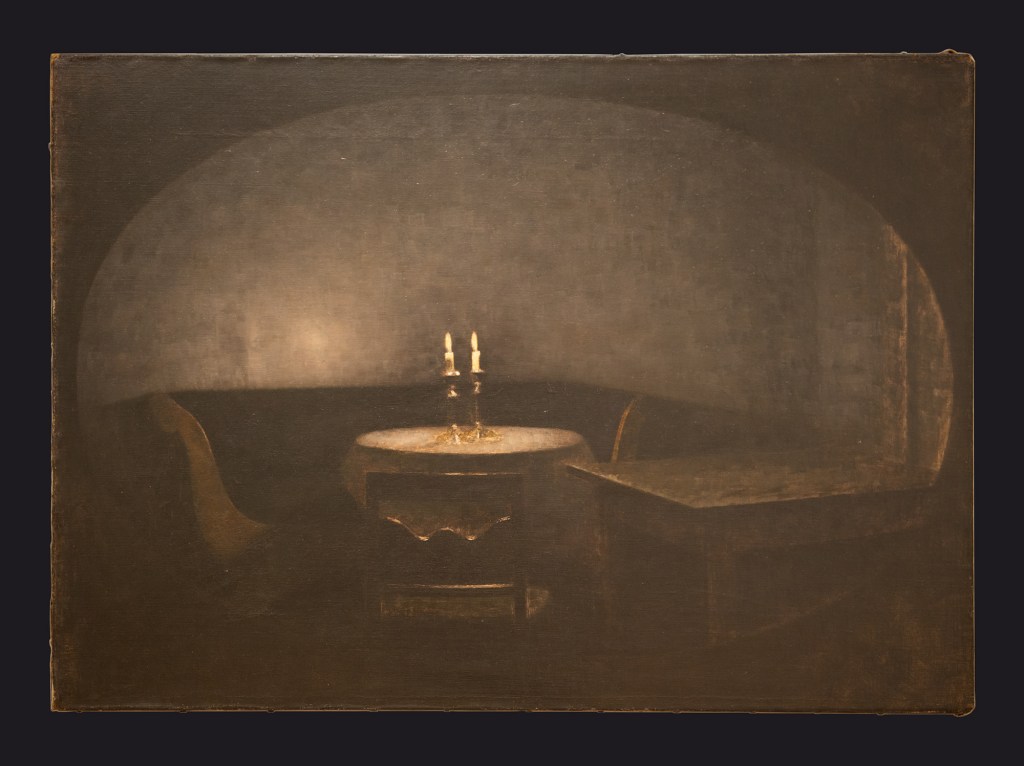
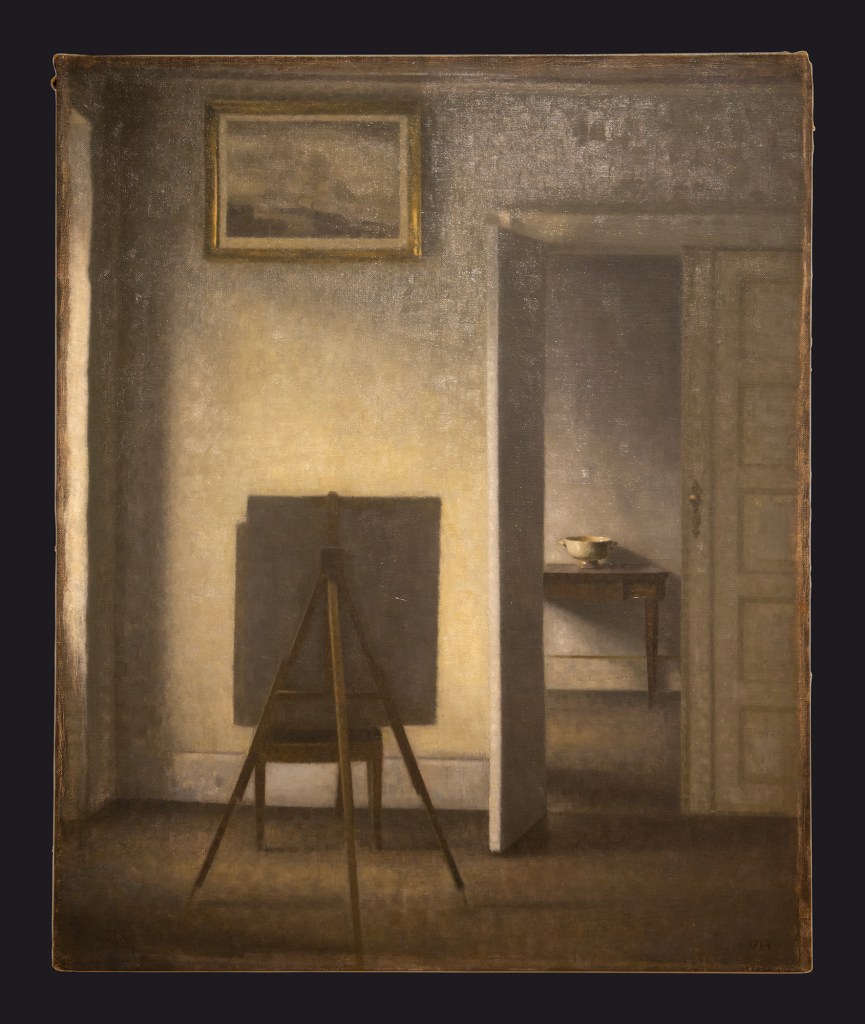 Interior with the Artist’s Easel

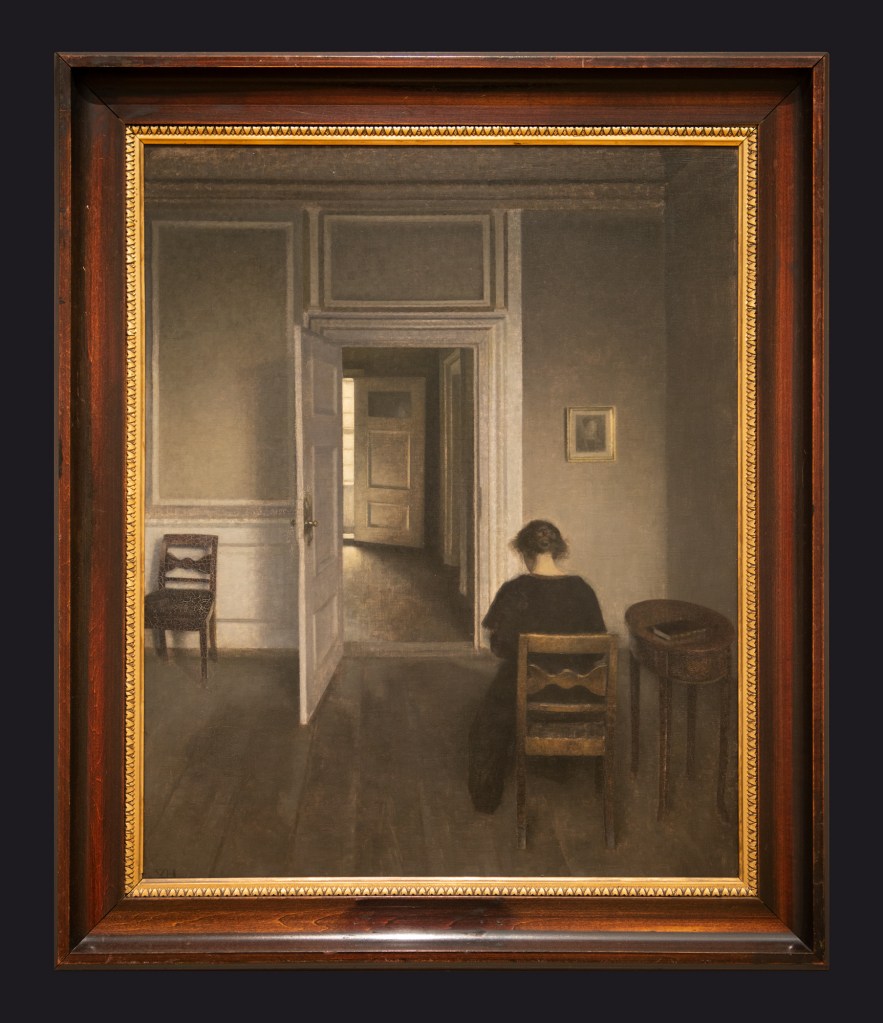 Interior No. 30 Strandgade
  Interior from Bredgade with the Artist’s Wife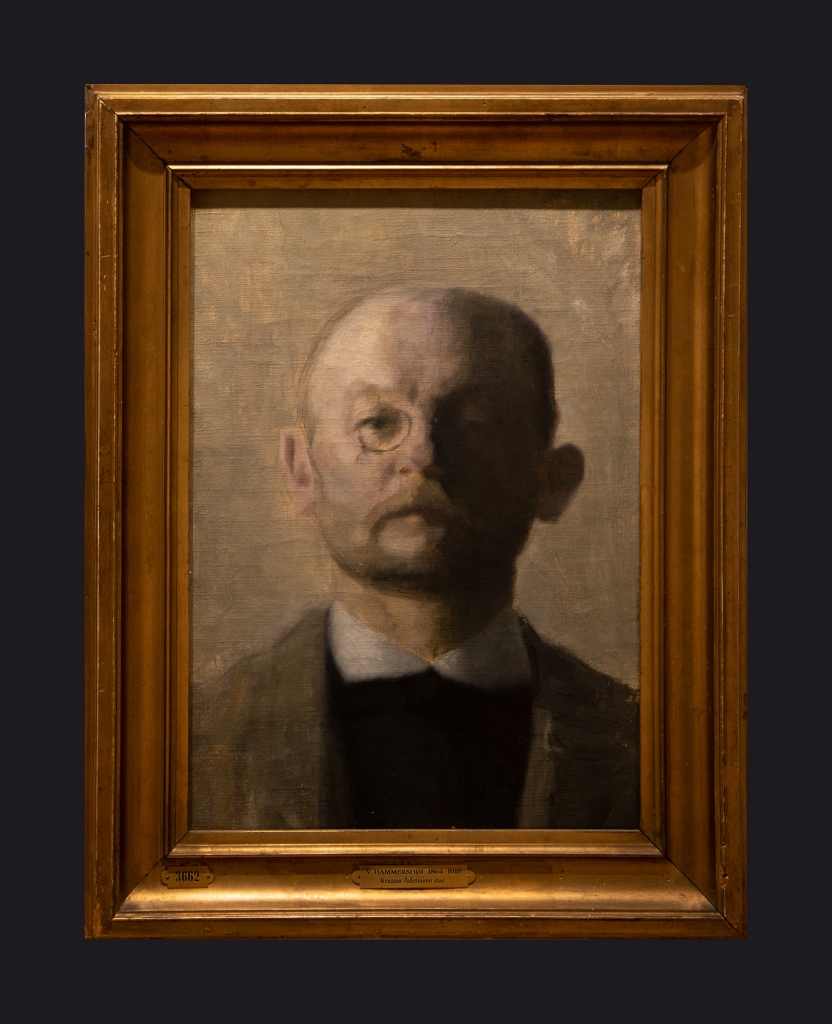
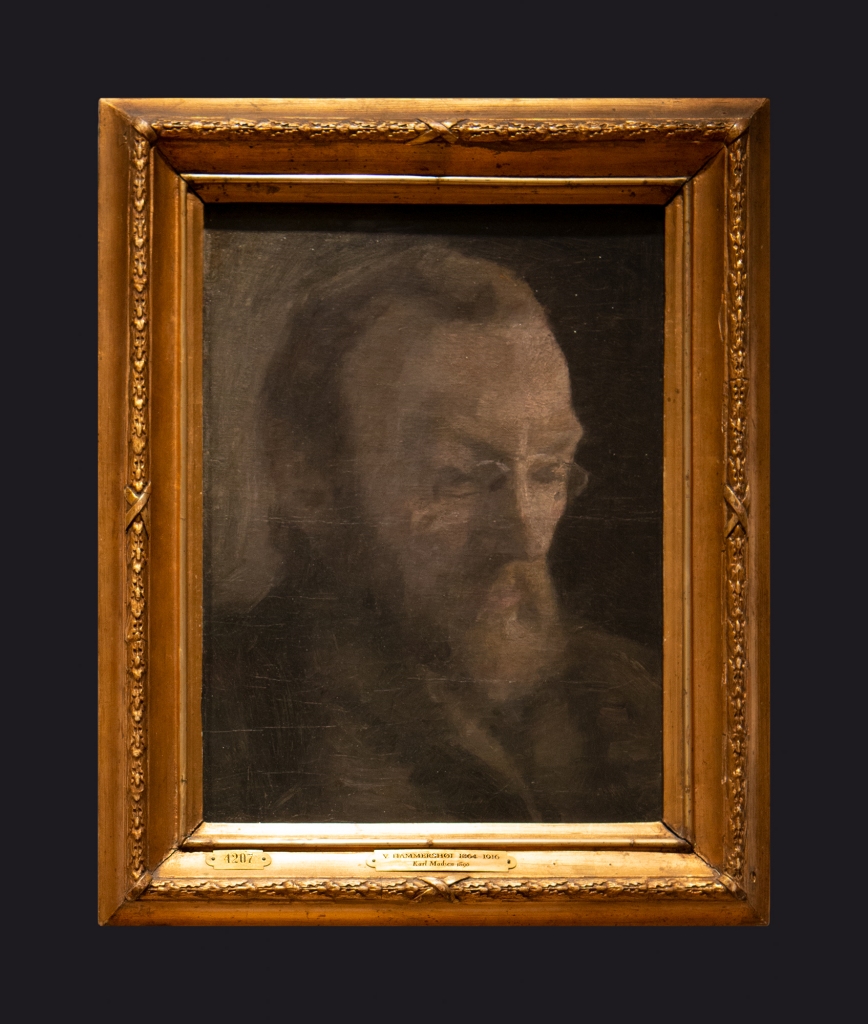 The Art Historian Karl Madsen, Later Director of Statens Museum for Kunst
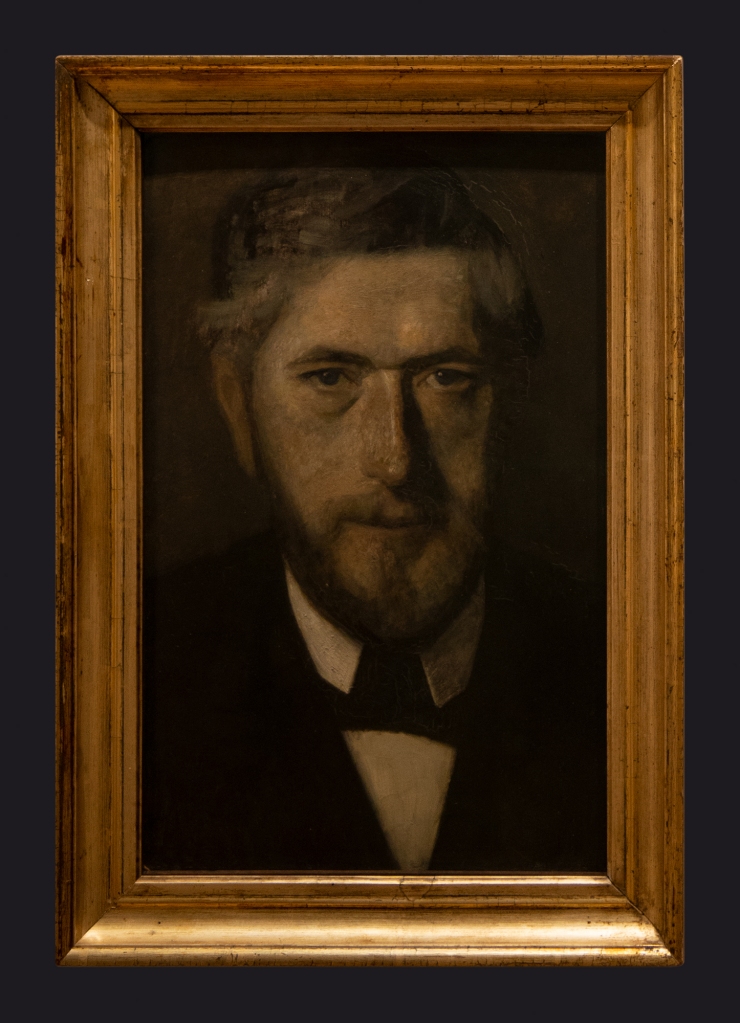 The Artist Jens Ferdinand Willumsen
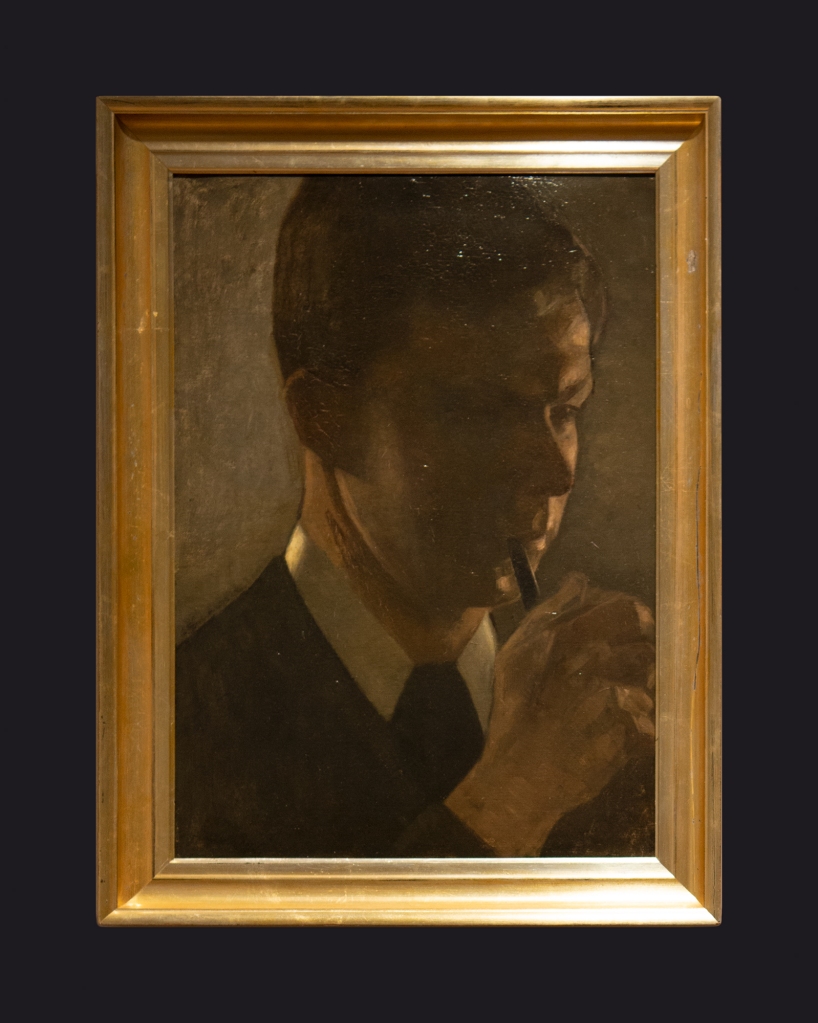 Portrait of Svend Hammershoi, the Artist’s Brother (1901)
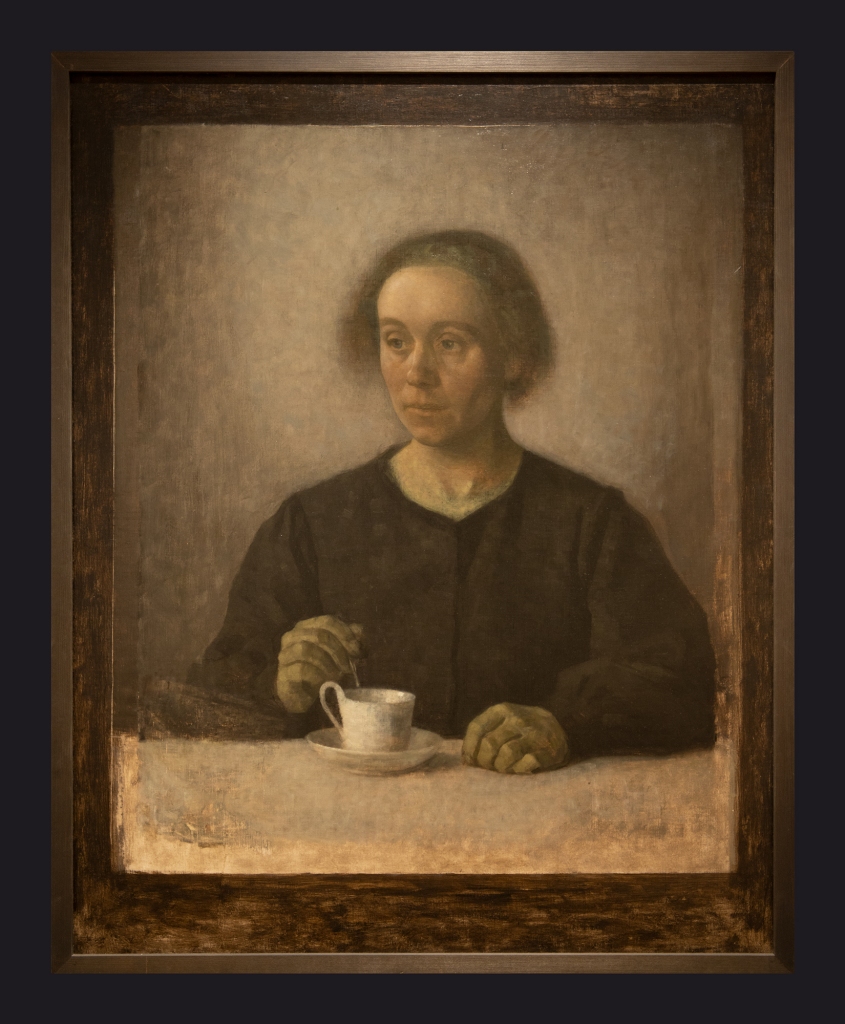 Ida Hammershoi the Artist’s Wife with a Teacup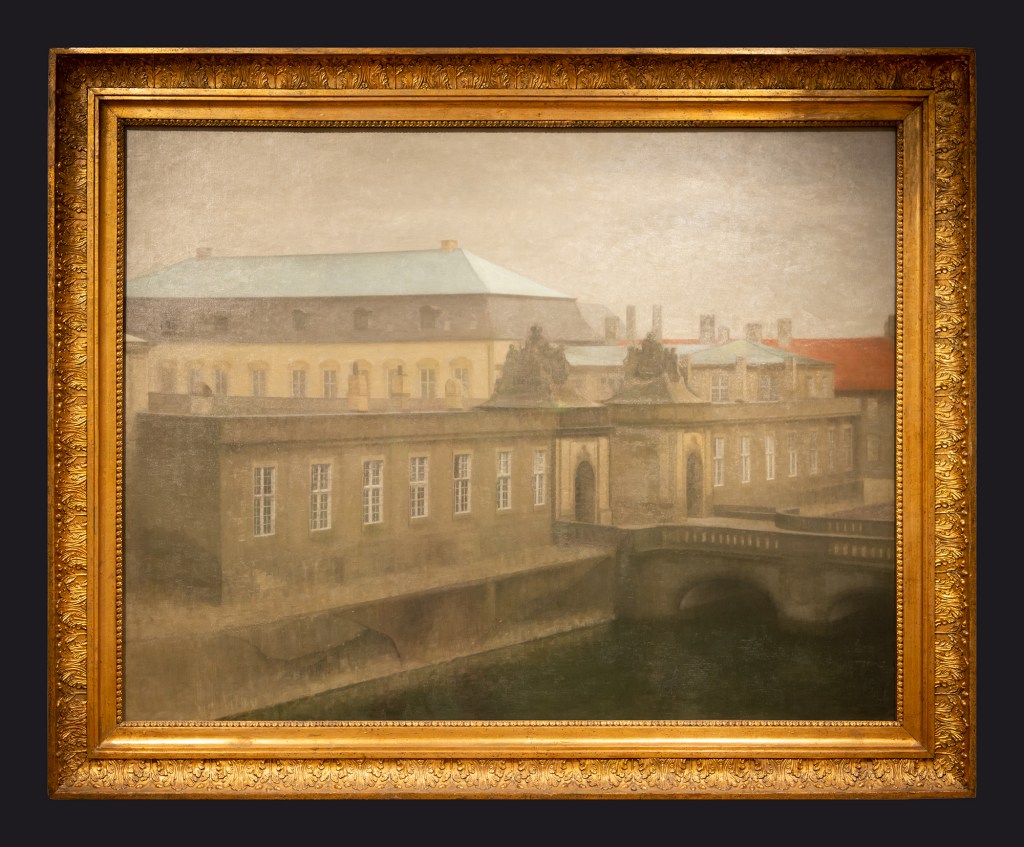
 Amalienborg Square, Copenhagen (1896)
 The Buildings of the Asiatic Company Seen from St. Anna Street
 From the Old Christiansborg Palace (1907)
 The Harbour of Copenhagen Seen from Kvæsthusgade
 Self Portrait, the Cottage Spurveskjul
 Barred Door in Vestibule, Freud’s Office, Berggasse 19, Vienna
  HAUTE VITRINE