Charting Churchill: The House at Ditchley Park

Front Facade, Ditchley Park 2014 by Leslie Hossack

The House at Ditchley Park, Oxfordshire 2014

© Leslie Hossack

As Prime Minister, Winston Churchill’s official country residence was Chequers. However, during the Blitz, it was considered too dangerous, especially on bright moonlight nights. “The broad gravel drives at Chequers looked, from the air, almost like an arrow cut in the lawn and pointing at the house.” (Martin Gilbert) Having been advised not to visit Chequers when the moon was high, Churchill asked Ronald and Nancy Tree if he might use Ditchley Park, their exquisite country home, as a weekend retreat. During the war, Churchill spent a dozen weekends there between November 1940 and September 1942.

The estate is located in Oxfordshire, very close to Blenheim Palace where Churchill was born. On several occasions, the Prime Minister made brief visits to Blenheim while staying at Ditchley Park. It was a welcome change from London for Winston, Clementine and their daughter Mary. Of course, Churchill continued to work while there, morning, noon and night; but he also enjoyed many guests, wonderful meals, walks in the gardens, and film screenings almost every night. The entire estate was equipped with telecommunications similar to those in London, and it was guarded by the Oxfordshire and Buckinghamshire Light Infantry when Churchill was in residence. Ashley Jackson has written a detailed account of wartime Ditchley Park entitled Winston Churchill, Oxfordshire, and Ditchley Park. To read this article, please visit The Churchill Centre.

By the end of 1942, German bombing raids had diminished considerably, and the Churchills spent their last weekend at Ditchley Park in September of that year. Soon after, on November 9th 1942, Churchill made a speech at the Lord Mayor’s Day Luncheon in London. He said: “Rommel’s army has been defeated. It has been routed. It has been very largely destroyed as a fighting force… Now this is not the end. It is not even the beginning of the end. But it is, perhaps, the end of the beginning.”

To learn more about events of 1942, please visit the BBC World War II Timeline. This BBC summary, prepared by Bruce Robinson, was last updated in 2011.

The image featured above is part of the limited edition collector’s portfolio created by Leslie Hossack to mark the 50th anniversary of the death of Sir Winston Churchill. She presents locations that chart Churchill’s personal and political life, from his birth at Blenheim Palace in 1874 until his death in London in 1965. THE CHURCHILL PHOTOGRAPHS are part of Hossack’s larger body of work that explores Nazi architecture in Berlin, Stalinist structures in Moscow, contested sites in Jerusalem, a Cold War bunker in Ottawa, NATO’s Headquarter Camp in Kosovo, and buildings linked to the Japanese Canadian internment during World War II.

To view more photographs, please visit Leslie’s website.  lesliehossack.com
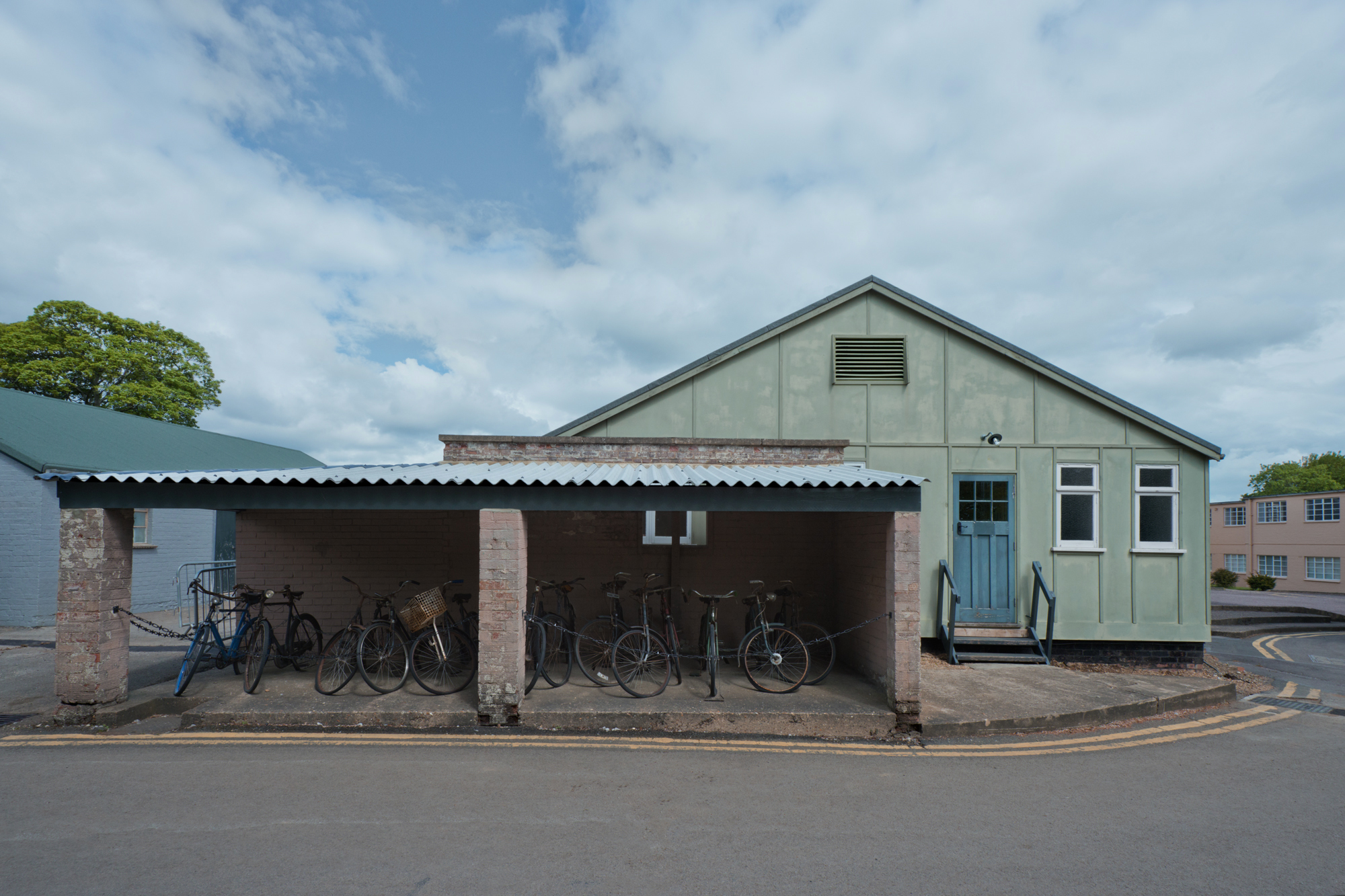
Charting Churchill: Hut 8, Bletchley Park

Hut 8, Bletchley Park 2014 by Leslie Hossack

Hut 8, Bletchley Park 2014

© Leslie Hossack

In 1941, Prime Minister Winston Churchill received a letter requesting more resources for top-secret Bletchley Park where hundreds were now working on breaking the German code Enigma. Churchill immediately directed his Chief of Staff, General Ismay, as follows: “ACTION THIS DAY Make sure they have all they want on extreme priority and report to me that this has been done.”

The first break in the naval Enigma code came in 1941. Information decrypted in Hut 8, shown above, helped reduce losses caused by German U-Boats when convoys from North America were bringing supplies to Great Britain, as she stood alone in Europe against Hitler. The staff of Hut 8, working under Alan Turing and Hugh Alexander, played a significant role in the development of machines to help with the decryption process. This eventually led to the creation of the first computers.

The United States did not enter the war until the end of 1941. During that grave year, Churchill made a number of remarkable speeches. As Edward R. Murrow said: “Now the hour had come for him to mobilize the English language, and send it into battle, a spearhead of hope for Britain and the world.” To see a list of Churchill’s speeches, please visit The Churchill Centre. Two of his speeches from 1941 are highlighted here.

Never Give In, Never, Never, Never – 29 October 1941, Harrow School “… the lesson: never give in, never give in, never, never, never – in nothing, great or small, large or petty – never give in except to convictions of honour and good sense. Never yield to force; never yield to the apparently overwhelming might of the enemy.”

“Some Chicken; Some Neck” – 30 December 1941, Canadian Parliament “When I warned them that Britain would fight on alone whatever they did, their generals told their Prime Minister and his divided Cabinet, ‘In three weeks England will have her neck wrung like a chicken.’ Some chicken; some neck.”

To learn more about events of 1941, please visit the BBC World War II Timeline. This BBC summary, prepared by Bruce Robinson, was last updated in 2011.

The image featured above is part of the limited edition collector’s portfolio created by Leslie Hossack to mark the 50th anniversary of the death of Sir Winston Churchill. She presents locations that chart Churchill’s personal and political life, from his birth at Blenheim Palace in 1874 until his death in London in 1965. THE CHURCHILL PHOTOGRAPHS are part of Hossack’s larger body of work that explores Nazi architecture in Berlin, Stalinist structures in Moscow, contested sites in Jerusalem, a Cold War bunker in Ottawa, NATO’s Headquarter Camp in Kosovo, and buildings linked to the Japanese Canadian internment during World War II.

To view more photographs, please visit Leslie’s website.  lesliehossack.com

Charting Churchill: The Main House, Bletchley Park

The Main House, Bletchley Park 2014 by Leslie Hossack

The Main House, Bletchley Park 2014

© Leslie Hossack

Throughout World War II, Prime Minister Winston Churchill understood the value of collecting and using military intelligence. In 1938, the government had purchased Bletchley Park estate, located 50 miles from London, where they installed their most secret codebreaking teams. The task was to break Enigma, the German code which Hitler considered unbreakable.

Initially, the Bletchley operation was centered in the Main House shown above, but soon wooden huts were built to provide work space for the growing number of staff. Later on, large concrete blocks were constructed to house even more workers, numbering almost 9,000 by 1944.

By 1940, the first breaks into Enigma were achieved by the cryptographers at Bletchley Park, also known as Station X. Churchill followed their work very closely and personally received intelligence updates throughout each day. In 1941, “Ultra” was the term adopted by British military to designate intelligence from Bletchley Park; this information was even more important than “Most Secret” – it was “Ultra Secret.” According to Sir Harry Hinsley, official historian of British Intelligence during World War II, Ultra shortened the war by not less than two years.

On September 6th 1941, Churchill visited Bletchley Park. He spoke to staff outside of the Main House and visited Hut 6. He later referred to the Bletchley cryptographers as “the geese that laid the golden eggs but never cackled.” Throughout the war, when asking for the latest Ultra reports, he often said: “Where are my eggs?” And for decades after the war was over, individuals who had worked at Station X said not one word about its existence.

To learn more about events of 1941, please visit the BBC World War II Timeline. This BBC summary, prepared by Bruce Robinson, was last updated in 2011.

The image featured above is part of the limited edition collector’s portfolio created by Leslie Hossack to mark the 50th anniversary of the death of Sir Winston Churchill. She presents locations that chart Churchill’s personal and political life, from his birth at Blenheim Palace in 1874 until his death in London in 1965. THE CHURCHILL PHOTOGRAPHS are part of Hossack’s larger body of work that explores Nazi architecture in Berlin, Stalinist structures in Moscow, contested sites in Jerusalem, a Cold War bunker in Ottawa, NATO’s Headquarter Camp in Kosovo, and buildings linked to the Japanese Canadian internment during World War II.

To view more photographs, please visit Leslie’s website.  lesliehossack.com

Charting Churchill: 10 Downing Street, London

10 Downing Street, London 2014 by Leslie Hossack

10 Downing Street, London 2014

© Leslie Hossack

Eight months after Britain and France declared war on Germany, Hitler invaded France, Belgium and Holland on May 10th 1040. That same day, Winston Leonard Spencer Churchill was summoned to Buckingham Palace by King George VI who asked him to form the new government. Churchill was now Prime Minister of Great Britain. Of that day, Churchill would later write: “I was conscious of a profound sense of relief. At last I had the authority to give directions over the whole scene. I felt as if I were walking with Destiny, and that all my past life had been but a preparation for this hour and for this trial.”

On May 13th 1940, when Churchill made his first speech as Prime Minister in the House of Commons, he famously said: “I have nothing to offer but blood, toil, tears and sweat.” He would later look back on the war years and remark: “A million Britons died in the First World War. But nothing surpasses 1940.”

To learn more about events of 1940, please visit the BBC World War II Timeline. This BBC summary, prepared by Bruce Robinson, was last updated in 2011.

Prime Minister Churchill moved into his official residence at 10 Downing Street in the summer of 1940. As can be seen in the above photograph, Downing Street is now closed off; however, for most of its history, the street was open to the public. One of the exceptions occurred during World War II, when it was blocked off at Whitehall. In 1941, Stuart Milner-Barry encountered a wooden barrier across the road, staffed by a police officer, when he delivered a letter to Winston Churchill at 10 Downing Street. The letter was signed by Alan Turing, Gordon Welchman, Hugh Alexander and Stuart Milner-Barry, all of whom were working on breaking the German Enigma codes at top-secret Bletchley Park. Their story has recently been dramatized in the movie The Imitation Game.

The image featured above is part of the limited edition collector’s portfolio created by Leslie Hossack to mark the 50th anniversary of the death of Sir Winston Churchill. She presents locations that chart Churchill’s personal and political life, from his birth at Blenheim Palace in 1874 until his death in London in 1965. THE CHURCHILL PHOTOGRAPHS are part of Hossack’s larger body of work that explores Nazi architecture in Berlin, Stalinist structures in Moscow, contested sites in Jerusalem, a Cold War bunker in Ottawa, NATO’s Headquarter Camp in Kosovo, and buildings linked to the Japanese Canadian internment during World War II.

To view more photographs, please visit Leslie’s website.  lesliehossack.com

Charting Churchill: The Cabinet War Rooms, Clive Steps, London

The Cabinet Room, Cabinet War Rooms, Clive Steps, London 2014 by Leslie Hossack

Cabinet Room, The Cabinet War Rooms, Clive Steps, London 2014

Churchill's Office, Cabinet War Rooms, Clive Steps, London 2014 by Leslie Hossack

Churchill’s Office, The Cabinet War Rooms, Clive Steps, London 2014

© Leslie Hossack

After Poland was invaded by Hitler, Britain and France declared war on Germany on September 3rd 1939. That same day, Winston Churchill was appointed First Lord of the Admiralty. One week earlier, the Cabinet War Rooms, London’s secret bunker designed to protect the War Cabinet and Chiefs of Staff, had become fully operational.

In May 1940, when newly appointed Prime Minister Winston Churchill first visited the Cabinet Room (top photograph) he said: “This is the room from which I will direct the war.” Churchill occupied the wooden seat in front of the map of the world and presided over a coalition of ministers from all sides of Parliament. Over 115 Cabinet meetings, approximately one in ten, were held here throughout the war. Cabinet meetings could start at any time of day or night. Churchill called many meetings here during the evening bombing raids of 1940 and 1941, and sometimes brought them to a close long after midnight.

Churchill used his office-bedroom (bottom photograph) for business and to visit the Map Room in the bunker. He delivered four of his wartime speeches from this room, but he only slept there on three occasions.

To learn more about events of 1939, please visit the BBC World War II Timeline. This BBC summary, prepared by Bruce Robinson, was last updated in 2011.

The images featured above are part of the limited edition collector’s portfolio created by Leslie Hossack to mark the 50th anniversary of the death of Sir Winston Churchill. She presents locations that chart Churchill’s personal and political life, from his birth at Blenheim Palace in 1874 until his death in London in 1965. THE CHURCHILL PHOTOGRAPHS are part of Hossack’s larger body of work that explores Nazi architecture in Berlin, Stalinist structures in Moscow, contested sites in Jerusalem, a Cold War bunker in Ottawa, NATO’s Headquarter Camp in Kosovo, and buildings linked to the Japanese Canadian internment during World War II.

To view more photographs, please visit Leslie’s website.  lesliehossack.com

SIR WINSTON CHURCHILL’S WILDERNESS YEARS

CHARTING CHURCHILL, 1874 – 1965

Part 4, The Wilderness Years, 1929 – 1939

On November 30th 2014, Sir Winston Churchill’s 140th birthday, Haute Vitrine started publishing images from the series THE CHURCHILL PHOTOGRAPHS by Leslie Hossack.

The previous post marked the end of Part 4, The Wilderness Years, 1929 – 1939. During this time, Sir Winston Churchill’s political career was at a stand still; he continued to serve as the Member of Parliament for Epping, but for ten long years he was not a member of the cabinet. Photographs featured in Part 4, The Wilderness Years, 1929 – 1939 can be reviewed below.

To view the photographs from Part 1, The Early Years, 1874 – 1892; Part 2, The Defining Years, 1892 – 1908; and Part 3, The Political Years, 1908 – 1929, please visit the Haute Vitrine posts of November 30th through December 31st 2014.

Leslie Hossack’s CHARTING CHURCHILL will continue through January 2015, the month that marks the 50th anniversary of the death of Sir Winston Churchill.

Marlborough Room, Royal Military College, Sandhurst 2014 by Leslie Hossack

Marlborough Room, Royal Military College, Sandhurst 2014

Royal Albert Hall, London 2014 by Leslie Hossack

Royal Albert Hall, London 2014

11 Morpeth Mansions, London 2014 by Leslie Hossack

11 Morpeth Mansions, London 2014

Berry Bros. & Rudd, 3 St. James's Street, London 2014 by Leslie Hossack

Berry Bros. & Rudd, 3 St. James’s Street, London 2014

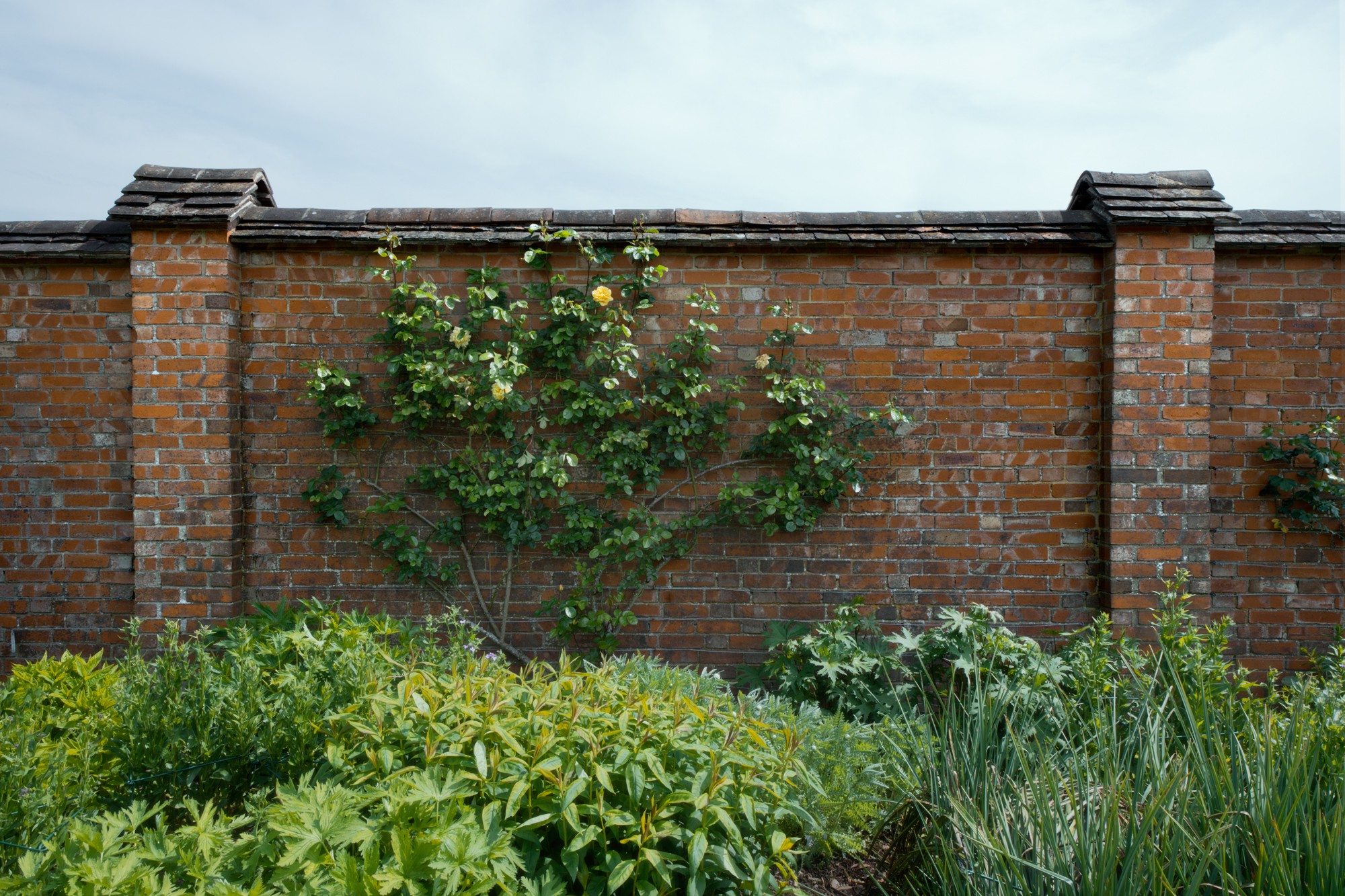
Garden Wall at Chartwell, Westerham 2014 by Leslie Hossack

Brick Wall at Chartwell, Westerham 2014

Sundial at Chartwell, Westerham 2014 by Leslie Hossack

Sundial at Chartwell, Westerham 2014

Turnbull & Asser, 71-72 Jermyn Street, London 2014 by Leslie Hossack

Turnbull & Asser, 71-72 Jermyn Street, London 2014

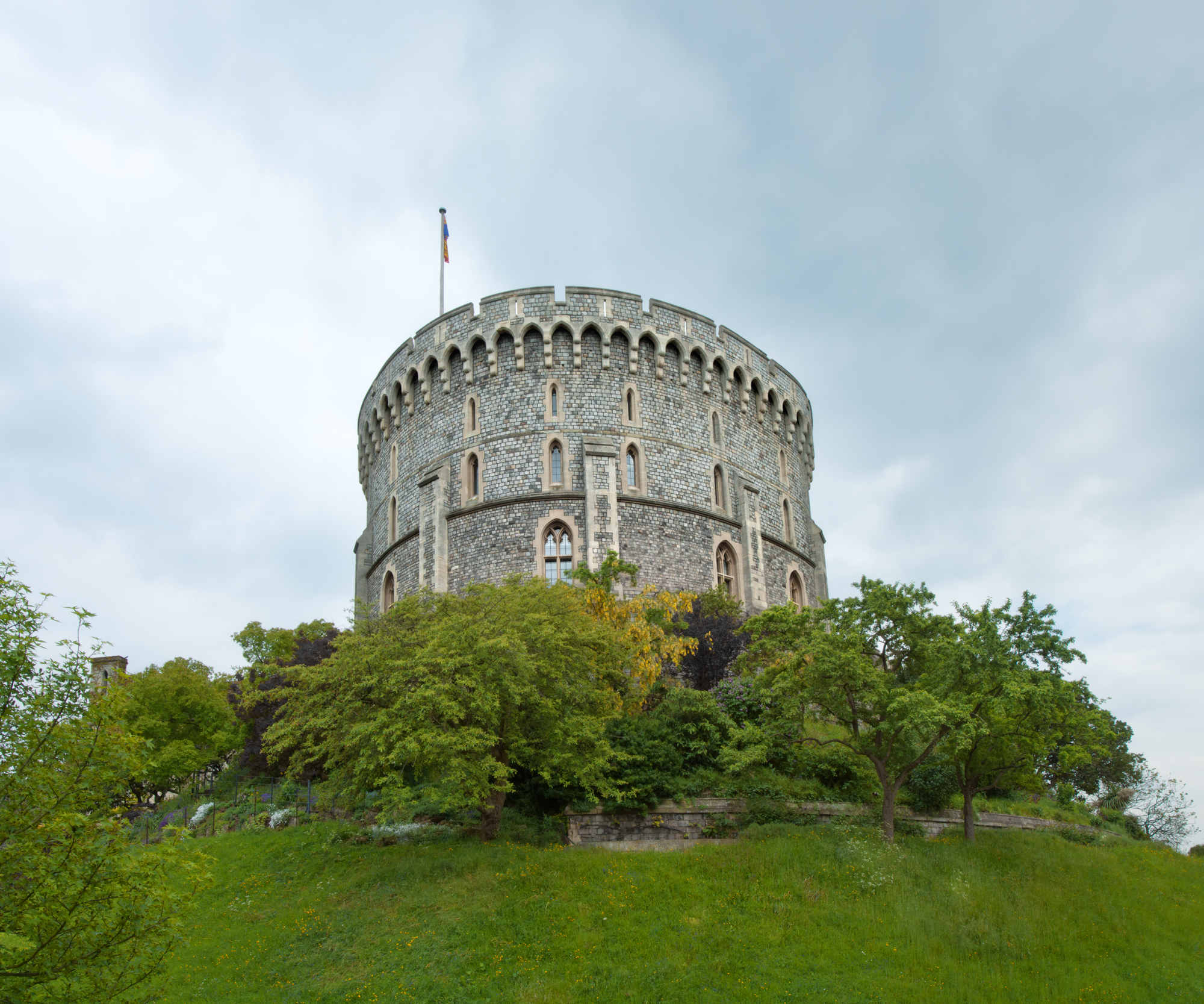
Round Tower, Windsor Castle, Windsor 2014 by Leslie Hossack

Round Tower, Windsor Castle, Windsor 2014

Westminster Abbey, London 2014 by Leslie Hossack

Westminster Abbey, London 2014

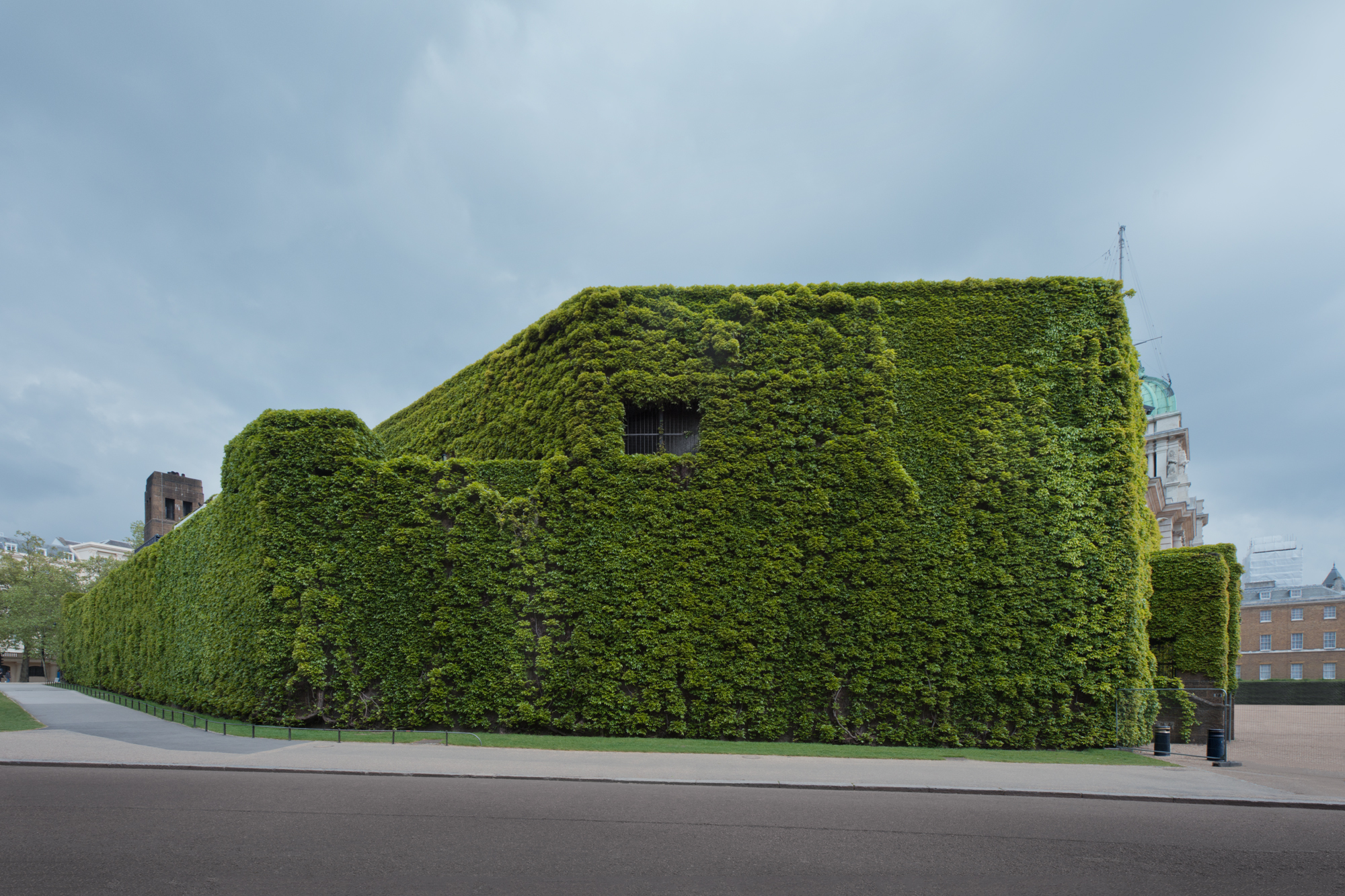
Admiralty Citadel, Horse Guards Parade, London 2014 by Leslie Hossack

Admiralty Citadel, Horse Guards Parade, London 2014

© Leslie Hossack

The images featured above are part of the limited edition collector’s portfolio created by Leslie Hossack. She presents locations that chart Sir Winston Churchill’s personal and political life, from his birth at Blenheim Palace in 1874 until his death in London in 1965. To read the stories behind these images, please see the previous posts here on Haute Vitrine.

THE CHURCHILL PHOTOGRAPHS are part of Hossack’s larger body of work that explores Nazi architecture in Berlin, Stalinist structures in Moscow, contested sites in Jerusalem, a Cold War bunker in Ottawa, NATO’s Headquarter Camp in Kosovo, and buildings linked to the Japanese Canadian internment during World War II.

To view more photographs, please visit Leslie’s website.  lesliehossack.com
Charting Churchill: Admiralty Citadel, Horse Guards Parade, London

Admiralty Citadel, Horse Guards Parade, London 2014 by Leslie Hossack

Admiralty Citadel, Horse Guards Parade, London 2014

© Leslie Hossack

In 1938, Winston Churchill continued to warn his country and colleagues about the rearmament of Germany; Hitler became even more aggressive on the continent; and Chamberlain replaced Baldwin as Prime Minister in Great Britain. Still, few Members of Parliament heeded Churchill’s warnings. In March 1939, German troops marched into Prague, and Britain pledged to guarantee Poland’s independence. On September 1st 1939, Hitler invaded Poland, and two days later Britain declared war on Germany. That same day, September 3rd 1939, for the second time in his career, Churchill was named First Lord of the Admiralty. His wilderness years were over. A signal was sent out to the British Fleet: “Winston is back.” Churchill held this cabinet post until May 1940.

The photograph above shows the Admiralty Citadel on the edge of Horse Guards Parade. Other Admiralty Buildings can be seen behind it on the right. Preparations for the Citadel started in 1939 when the Royal Naval Division memorial was moved to make way for its construction. Among other actions, the memorial recognized the landing of the Naval Division at Gallipoli. Winston Churchill had unveiled the memorial in 1925. Ironically, in 1939, he could watch its removal from the back windows of Admiralty House, where he lived from September 1939 until July 1940.

The concrete Citadel was designed to provide a safe work environment for Admiralty staff during the bombing of London, and could be retreated to in the event of an actual invasion. It is still used today as a secure government facility. Churchill famously described it as “a vast monstrosity which weighs upon the Horse Guards Parade” and he refused to use it himself. Today, the windowless bunker is covered with ivy.

The image featured above is part of the limited edition collector’s portfolio created by Leslie Hossack. She presents locations that chart Sir Winston Churchill’s personal and political life, from his birth at Blenheim Palace in 1874 until his death in London in 1965. THE CHURCHILL PHOTOGRAPHS are part of Hossack’s larger body of work that explores Nazi architecture in Berlin, Stalinist structures in Moscow, contested sites in Jerusalem, a Cold War bunker in Ottawa, NATO’s Headquarter Camp in Kosovo, and buildings linked to the Japanese Canadian internment during World War II.

To view more photographs, please visit Leslie’s website.  lesliehossack.com

Charting Churchill: Westminster Abbey, London

Westminster Abbey, London 2014 by Leslie Hossack

Westminster Abbey, London 2014

© Leslie Hossack

After the abdication of Edward VIII in December 1936, Britain had a new monarch. On May 12th 1937, the most spectacular event of the year took place at Westminster Abbey, the coronation of King George VI and Queen Elizabeth. Winston and Clementine Churchill were in attendance. Winston turned to Clementine and, his eyes full of tears, said: “You were right; I see now the other one wouldn’t have done.’ (Clementine Churchill: The Biography of a Marriage, 1979, 2002, Mary Soames.) Of course, Churchill was comparing the newly anointed Queen Elizabeth with Wallis Simpson for whom King Edward VIII had abdicated.

The image featured above is part of the limited edition collector’s portfolio created by Leslie Hossack. She presents locations that chart Sir Winston Churchill’s personal and political life, from his birth at Blenheim Palace in 1874 until his death in London in 1965. THE CHURCHILL PHOTOGRAPHS are part of Hossack’s larger body of work that explores Nazi architecture in Berlin, Stalinist structures in Moscow, contested sites in Jerusalem, a Cold War bunker in Ottawa, NATO’s Headquarter Camp in Kosovo, and buildings linked to the Japanese Canadian internment during World War II.

To view more photographs, please visit Leslie’s website.  lesliehossack.com

Charting Churchill: Round Tower, Windsor Castle, Windsor

Round Tower, Windsor Castle, Windsor 2014 by Leslie Hossack

Round Tower, Windsor Castle, Windsor 2014

© Leslie Hossack

Throughout the 1930s, Winston Churchill often found himself taking positions that were not popular. In 1931, he spoke out against the government’s desire to grant Dominion Status to India, and beginning in 1932, he began talking about Germany’s rearmament and criticizing Britain’s lack of military preparation.

Then, in 1936, a new issue set Churchill apart. In January, King George V died and his son became King Edward VIII. Edward wanted to marry American divorcée Wallis Simpson, but their marriage was opposed by the government. The “abdication crisis” played out for almost a year. Churchill supported Edward, and spoke on his behalf in the House of Commons on December 7th 1936, but was shouted down.

On December 10th 1936, Edward VIII signed the Instrument of Abdication, and the next day he made a worldwide radio broadcast from Windsor Castle, pictured above. Edward’s speech included the following lines: “A few hours ago I discharged my last duty as King and Emperor… But you must believe me when I tell you that I have found it impossible to carry the heavy burden of responsibility and to discharge my duties as King as I would wish to do without the help and support of the woman I love.”

In addition to his political activities in the 1930s, Winston Churchill kept himself very busy writing. He published Thoughts and Adventures (1932), four volumes of Marlborough: His Life and Times (1933-1938), Great Contemporaries (1937), Arms and the Covenant (1938) and Step by Step (1936-1939). Also, in 1932 he had received an advance for a major work, The History of the English-Speaking Peoples, which would be published in four volumes in 1956-1958. In spite of all this, in 1938 financial burdens caused him to put his country home Chartwell on the market; however, a friend stepped in and saved Churchill from financial ruin.

The image featured above is part of the limited edition collector’s portfolio created by Leslie Hossack. She presents locations that chart Sir Winston Churchill’s personal and political life, from his birth at Blenheim Palace in 1874 until his death in London in 1965. THE CHURCHILL PHOTOGRAPHS are part of Hossack’s larger body of work that explores Nazi architecture in Berlin, Stalinist structures in Moscow, contested sites in Jerusalem, a Cold War bunker in Ottawa, NATO’s Headquarter Camp in Kosovo, and buildings linked to the Japanese Canadian internment during World War II.

To view more photographs, please visit Leslie’s website.  lesliehossack.com

Charting Churchill: Turnbull & Asser, 71-72 Jermyn Street, London

Turnbull & Asser, 71-72 Jermyn Street, London 2014 by Leslie Hossack

Turnbull & Asser, 71-72 Jermyn Street, London 2014

© Leslie Hossack

On November 30th 1934, Winston Churchill celebrated his 60th birthday “in the wilderness,” a phrase referring to the 1930s when he no longer occupied a cabinet position. However, he was still the Member of Parliament for Epping, and on November 28th 1934, two days before his birthday, Churchill made a speech in the House of Commons warning about Germany’s rearmament. He said: “To urge the preparation of defence is not to assert the imminence of war. On the contrary, if war were imminent preparations for defence would be too late. I do not believe that war is imminent or that war is inevitable, but it seems very difficult to resist the conclusion that, if we do not begin forthwith to put ourselves in a position of security, it will soon be beyond our power to do so. What is the great new fact which has broken in upon us during the last 18 months? Germany is rearming.”

These words did not sit well with those in power, most of whom favoured appeasement. In 1935, the Conservatives won a majority and Churchill was reelected in Epping. However, Prime Minister Stanley Baldwin did not invite him to join the cabinet. The Wilderness Years continued.

There are many photographs of Winston Churchill making his way to and from Parliament. In almost every picture he is wearing a dark suit, white shirt and polka dot bow tie. In many of the images of Churchill on the covers of books and magazines, he is attired the same way, as he is in the famous portrait taken by Yousuf Karsh in Ottawa. For decades, Churchill had his shirts made by Turnbull & Asser, whose shop is pictured above; he also bought his bow ties there. When he delivered his speech in the House of Commons on November 28th 1934, undoubtedly he was sporting his trademark bow tie.

The image featured above is part of the limited edition collector’s portfolio created by Leslie Hossack. She presents locations that chart Sir Winston Churchill’s personal and political life, from his birth at Blenheim Palace in 1874 until his death in London in 1965. THE CHURCHILL PHOTOGRAPHS are part of Hossack’s larger body of work that explores Nazi architecture in Berlin, Stalinist structures in Moscow, contested sites in Jerusalem, a Cold War bunker in Ottawa, NATO’s Headquarter Camp in Kosovo, and buildings linked to the Japanese Canadian internment during World War II.

To view more photographs, please visit Leslie’s website.  lesliehossack.com