Charting Churchill: 10 Downing Street, London

10 Downing Street, London 2014 by Leslie Hossack

10 Downing Street, London 2014

© Leslie Hossack

Eight months after Britain and France declared war on Germany, Hitler invaded France, Belgium and Holland on May 10th 1040. That same day, Winston Leonard Spencer Churchill was summoned to Buckingham Palace by King George VI who asked him to form the new government. Churchill was now Prime Minister of Great Britain. Of that day, Churchill would later write: “I was conscious of a profound sense of relief. At last I had the authority to give directions over the whole scene. I felt as if I were walking with Destiny, and that all my past life had been but a preparation for this hour and for this trial.”

On May 13th 1940, when Churchill made his first speech as Prime Minister in the House of Commons, he famously said: “I have nothing to offer but blood, toil, tears and sweat.” He would later look back on the war years and remark: “A million Britons died in the First World War. But nothing surpasses 1940.”

To learn more about events of 1940, please visit the BBC World War II Timeline. This BBC summary, prepared by Bruce Robinson, was last updated in 2011.

Prime Minister Churchill moved into his official residence at 10 Downing Street in the summer of 1940. As can be seen in the above photograph, Downing Street is now closed off; however, for most of its history, the street was open to the public. One of the exceptions occurred during World War II, when it was blocked off at Whitehall. In 1941, Stuart Milner-Barry encountered a wooden barrier across the road, staffed by a police officer, when he delivered a letter to Winston Churchill at 10 Downing Street. The letter was signed by Alan Turing, Gordon Welchman, Hugh Alexander and Stuart Milner-Barry, all of whom were working on breaking the German Enigma codes at top-secret Bletchley Park. Their story has recently been dramatized in the movie The Imitation Game.

The image featured above is part of the limited edition collector’s portfolio created by Leslie Hossack to mark the 50th anniversary of the death of Sir Winston Churchill. She presents locations that chart Churchill’s personal and political life, from his birth at Blenheim Palace in 1874 until his death in London in 1965. THE CHURCHILL PHOTOGRAPHS are part of Hossack’s larger body of work that explores Nazi architecture in Berlin, Stalinist structures in Moscow, contested sites in Jerusalem, a Cold War bunker in Ottawa, NATO’s Headquarter Camp in Kosovo, and buildings linked to the Japanese Canadian internment during World War II.

To view more photographs, please visit Leslie’s website.  lesliehossack.com

Charting Churchill: The Cabinet War Rooms, Clive Steps, London

The Cabinet Room, Cabinet War Rooms, Clive Steps, London 2014 by Leslie Hossack

Cabinet Room, The Cabinet War Rooms, Clive Steps, London 2014

Churchill's Office, Cabinet War Rooms, Clive Steps, London 2014 by Leslie Hossack

Churchill’s Office, The Cabinet War Rooms, Clive Steps, London 2014

© Leslie Hossack

After Poland was invaded by Hitler, Britain and France declared war on Germany on September 3rd 1939. That same day, Winston Churchill was appointed First Lord of the Admiralty. One week earlier, the Cabinet War Rooms, London’s secret bunker designed to protect the War Cabinet and Chiefs of Staff, had become fully operational.

In May 1940, when newly appointed Prime Minister Winston Churchill first visited the Cabinet Room (top photograph) he said: “This is the room from which I will direct the war.” Churchill occupied the wooden seat in front of the map of the world and presided over a coalition of ministers from all sides of Parliament. Over 115 Cabinet meetings, approximately one in ten, were held here throughout the war. Cabinet meetings could start at any time of day or night. Churchill called many meetings here during the evening bombing raids of 1940 and 1941, and sometimes brought them to a close long after midnight.

Churchill used his office-bedroom (bottom photograph) for business and to visit the Map Room in the bunker. He delivered four of his wartime speeches from this room, but he only slept there on three occasions.

To learn more about events of 1939, please visit the BBC World War II Timeline. This BBC summary, prepared by Bruce Robinson, was last updated in 2011.

The images featured above are part of the limited edition collector’s portfolio created by Leslie Hossack to mark the 50th anniversary of the death of Sir Winston Churchill. She presents locations that chart Churchill’s personal and political life, from his birth at Blenheim Palace in 1874 until his death in London in 1965. THE CHURCHILL PHOTOGRAPHS are part of Hossack’s larger body of work that explores Nazi architecture in Berlin, Stalinist structures in Moscow, contested sites in Jerusalem, a Cold War bunker in Ottawa, NATO’s Headquarter Camp in Kosovo, and buildings linked to the Japanese Canadian internment during World War II.

To view more photographs, please visit Leslie’s website.  lesliehossack.com

SIR WINSTON CHURCHILL’S WILDERNESS YEARS

CHARTING CHURCHILL, 1874 – 1965

Part 4, The Wilderness Years, 1929 – 1939

On November 30th 2014, Sir Winston Churchill’s 140th birthday, Haute Vitrine started publishing images from the series THE CHURCHILL PHOTOGRAPHS by Leslie Hossack.

The previous post marked the end of Part 4, The Wilderness Years, 1929 – 1939. During this time, Sir Winston Churchill’s political career was at a stand still; he continued to serve as the Member of Parliament for Epping, but for ten long years he was not a member of the cabinet. Photographs featured in Part 4, The Wilderness Years, 1929 – 1939 can be reviewed below.

To view the photographs from Part 1, The Early Years, 1874 – 1892; Part 2, The Defining Years, 1892 – 1908; and Part 3, The Political Years, 1908 – 1929, please visit the Haute Vitrine posts of November 30th through December 31st 2014.

Leslie Hossack’s CHARTING CHURCHILL will continue through January 2015, the month that marks the 50th anniversary of the death of Sir Winston Churchill.

Marlborough Room, Royal Military College, Sandhurst 2014 by Leslie Hossack

Marlborough Room, Royal Military College, Sandhurst 2014

Royal Albert Hall, London 2014 by Leslie Hossack

Royal Albert Hall, London 2014

11 Morpeth Mansions, London 2014 by Leslie Hossack

11 Morpeth Mansions, London 2014

Berry Bros. & Rudd, 3 St. James's Street, London 2014 by Leslie Hossack

Berry Bros. & Rudd, 3 St. James’s Street, London 2014

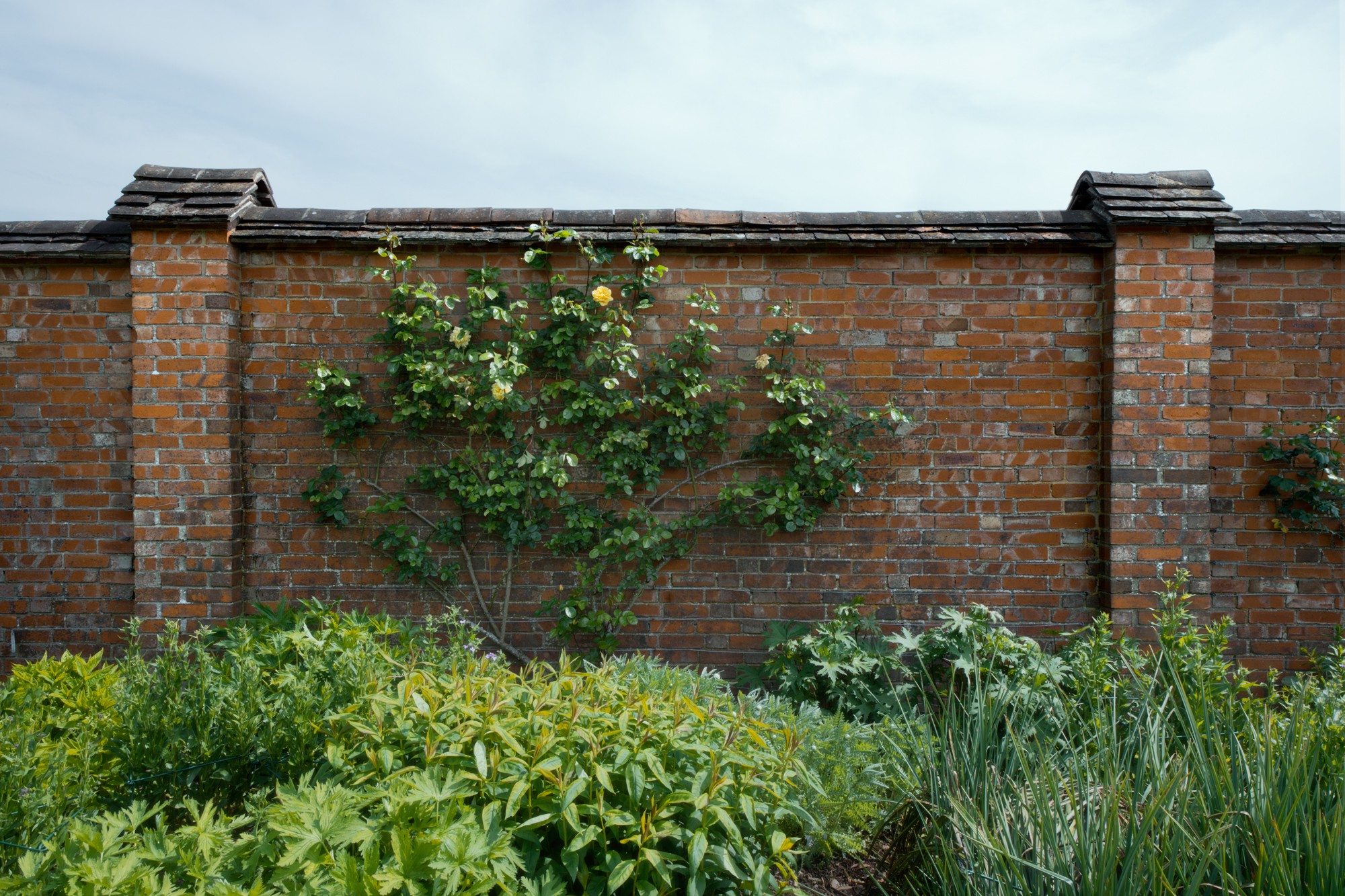
Garden Wall at Chartwell, Westerham 2014 by Leslie Hossack

Brick Wall at Chartwell, Westerham 2014

Sundial at Chartwell, Westerham 2014 by Leslie Hossack

Sundial at Chartwell, Westerham 2014

Turnbull & Asser, 71-72 Jermyn Street, London 2014 by Leslie Hossack

Turnbull & Asser, 71-72 Jermyn Street, London 2014

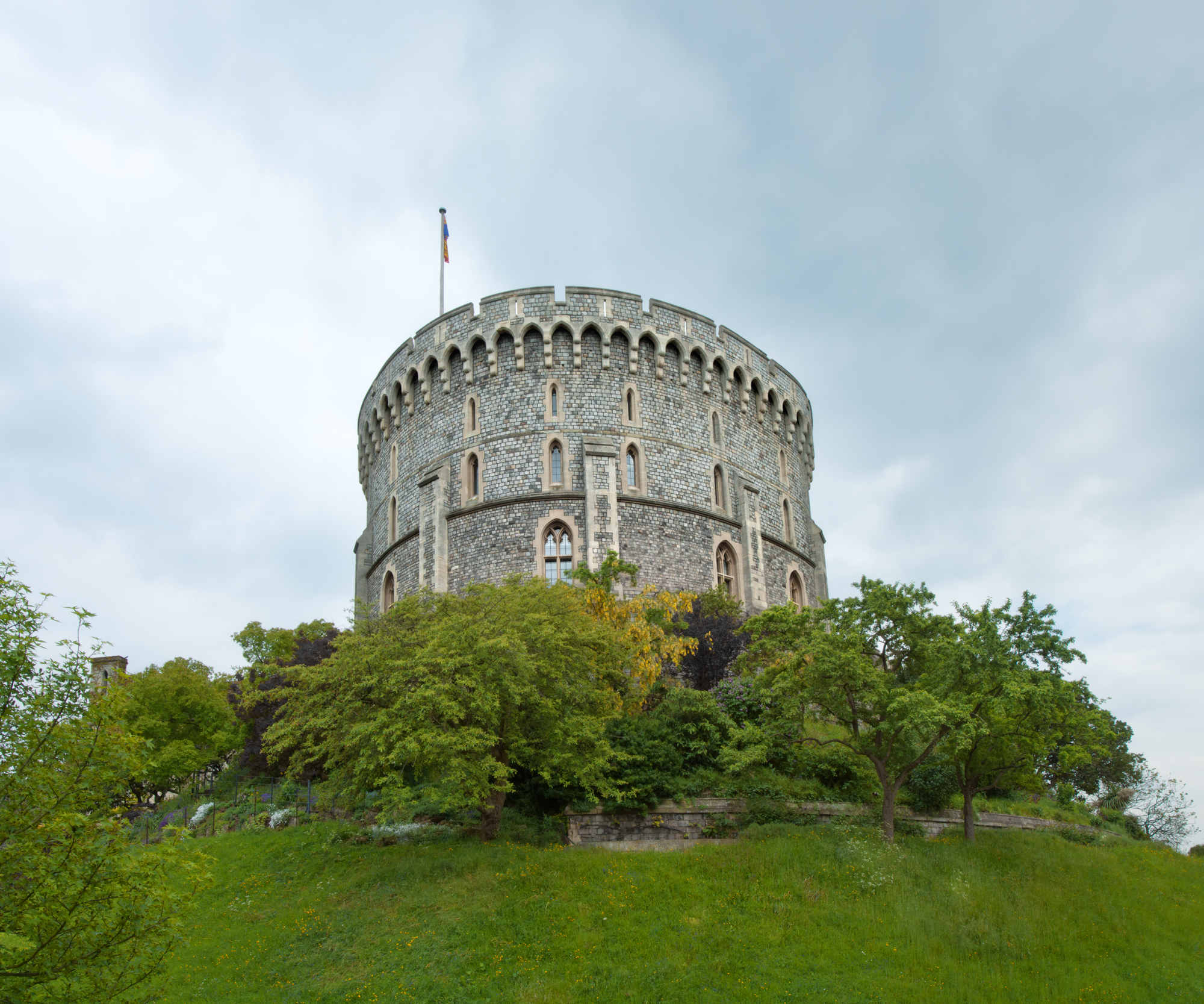
Round Tower, Windsor Castle, Windsor 2014 by Leslie Hossack

Round Tower, Windsor Castle, Windsor 2014

Westminster Abbey, London 2014 by Leslie Hossack

Westminster Abbey, London 2014

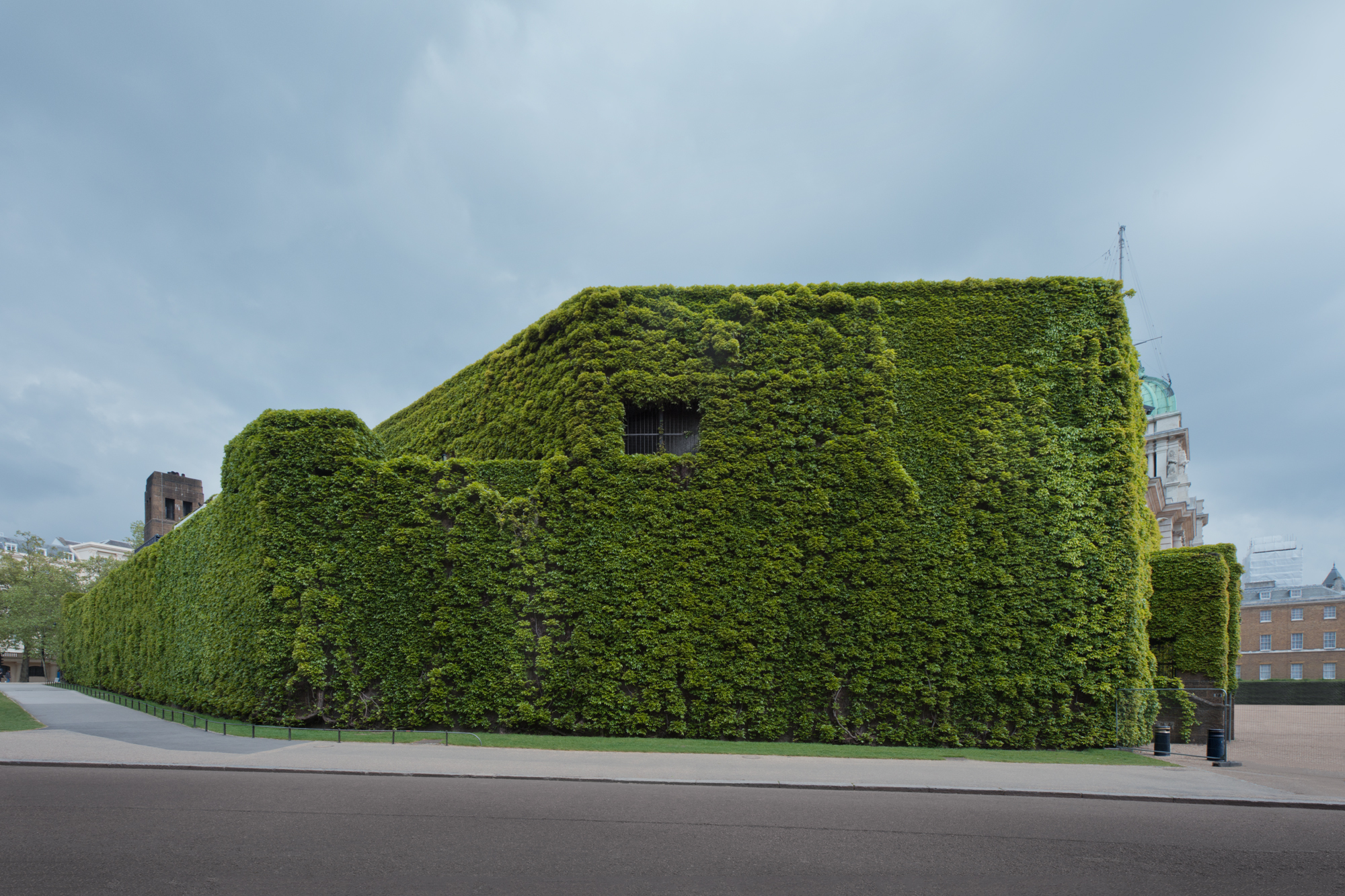
Admiralty Citadel, Horse Guards Parade, London 2014 by Leslie Hossack

Admiralty Citadel, Horse Guards Parade, London 2014

© Leslie Hossack

The images featured above are part of the limited edition collector’s portfolio created by Leslie Hossack. She presents locations that chart Sir Winston Churchill’s personal and political life, from his birth at Blenheim Palace in 1874 until his death in London in 1965. To read the stories behind these images, please see the previous posts here on Haute Vitrine.

THE CHURCHILL PHOTOGRAPHS are part of Hossack’s larger body of work that explores Nazi architecture in Berlin, Stalinist structures in Moscow, contested sites in Jerusalem, a Cold War bunker in Ottawa, NATO’s Headquarter Camp in Kosovo, and buildings linked to the Japanese Canadian internment during World War II.

To view more photographs, please visit Leslie’s website.  lesliehossack.com
Charting Churchill: Admiralty Citadel, Horse Guards Parade, London

Admiralty Citadel, Horse Guards Parade, London 2014 by Leslie Hossack

Admiralty Citadel, Horse Guards Parade, London 2014

© Leslie Hossack

In 1938, Winston Churchill continued to warn his country and colleagues about the rearmament of Germany; Hitler became even more aggressive on the continent; and Chamberlain replaced Baldwin as Prime Minister in Great Britain. Still, few Members of Parliament heeded Churchill’s warnings. In March 1939, German troops marched into Prague, and Britain pledged to guarantee Poland’s independence. On September 1st 1939, Hitler invaded Poland, and two days later Britain declared war on Germany. That same day, September 3rd 1939, for the second time in his career, Churchill was named First Lord of the Admiralty. His wilderness years were over. A signal was sent out to the British Fleet: “Winston is back.” Churchill held this cabinet post until May 1940.

The photograph above shows the Admiralty Citadel on the edge of Horse Guards Parade. Other Admiralty Buildings can be seen behind it on the right. Preparations for the Citadel started in 1939 when the Royal Naval Division memorial was moved to make way for its construction. Among other actions, the memorial recognized the landing of the Naval Division at Gallipoli. Winston Churchill had unveiled the memorial in 1925. Ironically, in 1939, he could watch its removal from the back windows of Admiralty House, where he lived from September 1939 until July 1940.

The concrete Citadel was designed to provide a safe work environment for Admiralty staff during the bombing of London, and could be retreated to in the event of an actual invasion. It is still used today as a secure government facility. Churchill famously described it as “a vast monstrosity which weighs upon the Horse Guards Parade” and he refused to use it himself. Today, the windowless bunker is covered with ivy.

The image featured above is part of the limited edition collector’s portfolio created by Leslie Hossack. She presents locations that chart Sir Winston Churchill’s personal and political life, from his birth at Blenheim Palace in 1874 until his death in London in 1965. THE CHURCHILL PHOTOGRAPHS are part of Hossack’s larger body of work that explores Nazi architecture in Berlin, Stalinist structures in Moscow, contested sites in Jerusalem, a Cold War bunker in Ottawa, NATO’s Headquarter Camp in Kosovo, and buildings linked to the Japanese Canadian internment during World War II.

To view more photographs, please visit Leslie’s website.  lesliehossack.com

Charting Churchill: Westminster Abbey, London

Westminster Abbey, London 2014 by Leslie Hossack

Westminster Abbey, London 2014

© Leslie Hossack

After the abdication of Edward VIII in December 1936, Britain had a new monarch. On May 12th 1937, the most spectacular event of the year took place at Westminster Abbey, the coronation of King George VI and Queen Elizabeth. Winston and Clementine Churchill were in attendance. Winston turned to Clementine and, his eyes full of tears, said: “You were right; I see now the other one wouldn’t have done.’ (Clementine Churchill: The Biography of a Marriage, 1979, 2002, Mary Soames.) Of course, Churchill was comparing the newly anointed Queen Elizabeth with Wallis Simpson for whom King Edward VIII had abdicated.

The image featured above is part of the limited edition collector’s portfolio created by Leslie Hossack. She presents locations that chart Sir Winston Churchill’s personal and political life, from his birth at Blenheim Palace in 1874 until his death in London in 1965. THE CHURCHILL PHOTOGRAPHS are part of Hossack’s larger body of work that explores Nazi architecture in Berlin, Stalinist structures in Moscow, contested sites in Jerusalem, a Cold War bunker in Ottawa, NATO’s Headquarter Camp in Kosovo, and buildings linked to the Japanese Canadian internment during World War II.

To view more photographs, please visit Leslie’s website.  lesliehossack.com

Charting Churchill: Round Tower, Windsor Castle, Windsor

Round Tower, Windsor Castle, Windsor 2014 by Leslie Hossack

Round Tower, Windsor Castle, Windsor 2014

© Leslie Hossack

Throughout the 1930s, Winston Churchill often found himself taking positions that were not popular. In 1931, he spoke out against the government’s desire to grant Dominion Status to India, and beginning in 1932, he began talking about Germany’s rearmament and criticizing Britain’s lack of military preparation.

Then, in 1936, a new issue set Churchill apart. In January, King George V died and his son became King Edward VIII. Edward wanted to marry American divorcée Wallis Simpson, but their marriage was opposed by the government. The “abdication crisis” played out for almost a year. Churchill supported Edward, and spoke on his behalf in the House of Commons on December 7th 1936, but was shouted down.

On December 10th 1936, Edward VIII signed the Instrument of Abdication, and the next day he made a worldwide radio broadcast from Windsor Castle, pictured above. Edward’s speech included the following lines: “A few hours ago I discharged my last duty as King and Emperor… But you must believe me when I tell you that I have found it impossible to carry the heavy burden of responsibility and to discharge my duties as King as I would wish to do without the help and support of the woman I love.”

In addition to his political activities in the 1930s, Winston Churchill kept himself very busy writing. He published Thoughts and Adventures (1932), four volumes of Marlborough: His Life and Times (1933-1938), Great Contemporaries (1937), Arms and the Covenant (1938) and Step by Step (1936-1939). Also, in 1932 he had received an advance for a major work, The History of the English-Speaking Peoples, which would be published in four volumes in 1956-1958. In spite of all this, in 1938 financial burdens caused him to put his country home Chartwell on the market; however, a friend stepped in and saved Churchill from financial ruin.

The image featured above is part of the limited edition collector’s portfolio created by Leslie Hossack. She presents locations that chart Sir Winston Churchill’s personal and political life, from his birth at Blenheim Palace in 1874 until his death in London in 1965. THE CHURCHILL PHOTOGRAPHS are part of Hossack’s larger body of work that explores Nazi architecture in Berlin, Stalinist structures in Moscow, contested sites in Jerusalem, a Cold War bunker in Ottawa, NATO’s Headquarter Camp in Kosovo, and buildings linked to the Japanese Canadian internment during World War II.

To view more photographs, please visit Leslie’s website.  lesliehossack.com

Charting Churchill: Turnbull & Asser, 71-72 Jermyn Street, London

Turnbull & Asser, 71-72 Jermyn Street, London 2014 by Leslie Hossack

Turnbull & Asser, 71-72 Jermyn Street, London 2014

© Leslie Hossack

On November 30th 1934, Winston Churchill celebrated his 60th birthday “in the wilderness,” a phrase referring to the 1930s when he no longer occupied a cabinet position. However, he was still the Member of Parliament for Epping, and on November 28th 1934, two days before his birthday, Churchill made a speech in the House of Commons warning about Germany’s rearmament. He said: “To urge the preparation of defence is not to assert the imminence of war. On the contrary, if war were imminent preparations for defence would be too late. I do not believe that war is imminent or that war is inevitable, but it seems very difficult to resist the conclusion that, if we do not begin forthwith to put ourselves in a position of security, it will soon be beyond our power to do so. What is the great new fact which has broken in upon us during the last 18 months? Germany is rearming.”

These words did not sit well with those in power, most of whom favoured appeasement. In 1935, the Conservatives won a majority and Churchill was reelected in Epping. However, Prime Minister Stanley Baldwin did not invite him to join the cabinet. The Wilderness Years continued.

There are many photographs of Winston Churchill making his way to and from Parliament. In almost every picture he is wearing a dark suit, white shirt and polka dot bow tie. In many of the images of Churchill on the covers of books and magazines, he is attired the same way, as he is in the famous portrait taken by Yousuf Karsh in Ottawa. For decades, Churchill had his shirts made by Turnbull & Asser, whose shop is pictured above; he also bought his bow ties there. When he delivered his speech in the House of Commons on November 28th 1934, undoubtedly he was sporting his trademark bow tie.

The image featured above is part of the limited edition collector’s portfolio created by Leslie Hossack. She presents locations that chart Sir Winston Churchill’s personal and political life, from his birth at Blenheim Palace in 1874 until his death in London in 1965. THE CHURCHILL PHOTOGRAPHS are part of Hossack’s larger body of work that explores Nazi architecture in Berlin, Stalinist structures in Moscow, contested sites in Jerusalem, a Cold War bunker in Ottawa, NATO’s Headquarter Camp in Kosovo, and buildings linked to the Japanese Canadian internment during World War II.

To view more photographs, please visit Leslie’s website.  lesliehossack.com
Charting Churchill: Sundial at Chartwell, Westerham

Sundial at Chartwell, Westerham 2014 by Leslie Hossack

Sundial at Chartwell, Westerham 2014

© Leslie Hossack

Winston Churchill spent a great deal of time at Chartwell, his country home, during the 1930s. By 1933, it had become his base for gathering intelligence about German rearmament and about Britain’s lack of preparation for war. Many senior individuals, both British and foreign, came to Chartwell to share information with Churchill, often at great risk to their careers and reputations.

Adolf Hitler and his National Socialist Party came to power in January 1933. In March, Churchill made his first speech in Parliament warning of the need to build up air defences in Britain. That same spring, Albert Einstein visited Chartwell to ask Churchill for assistance moving Jewish scientists from Germany to Britain. Einstein visited Chartwell again in 1939, and posed for a picture with Churchill in the garden, not far from the sundial shown above.

In the 1930’s, Clementine Churchill had gone without Winston on a lengthy trip aboard Lord Moyne’s yacht to several exotic islands. She brought back a dove from Bali, and when it died she buried it under the sundial in the garden. The inscription on the base of the sundial reads: HERE LIES THE BALI DOVE.

The image featured above is part of the limited edition collector’s portfolio created by Leslie Hossack. She presents locations that chart Sir Winston Churchill’s personal and political life, from his birth at Blenheim Palace in 1874 until his death in London in 1965. THE CHURCHILL PHOTOGRAPHS are part of Hossack’s larger body of work that explores Nazi architecture in Berlin, Stalinist structures in Moscow, contested sites in Jerusalem, a Cold War bunker in Ottawa, NATO’s Headquarter Camp in Kosovo, and buildings linked to the Japanese Canadian internment during World War II.

To view more photographs, please visit Leslie’s website.  lesliehossack.com

Charting Churchill: Garden Wall at Chartwell, Westerham

Garden Wall at Chartwell, Westerham 2014 by Leslie Hossack

Garden Wall at Chartwell, Westerham 2014

© Leslie Hossack

During the 1930s, Winston Churchill spent a great deal of time at his country home Chartwell where he wrote a number of articles and books. In 1929, he hired Maurice Ashley as his research assistant. For four years Ashley worked with Churchill, focusing on the Duke of Marlborough. The first volume of Marlborough: His Life and Times was published in 1933.

Years later, at the 1989 Churchill Society International Convention in London, Dr. Maurice Ashley gave an address called As I Knew Him: Churchill in the Wilderness. Ashley remarked: “A typical day when Churchill was working at Chartwell began with his taking breakfast in bed. There he read his newspapers and letters and would dictate answers and directions to one of his secretaries (two were usually on duty during the day). Then he went into the garden to engage in building and other activities. He came in around twelve o’clock and I was called in to help with work on his book on Marlborough… As I have already mentioned, when I was with him he would spend as much as five hours a day in the garden at Chartwell building wall after wall, occasionally painting, feeding the ducks, walking around the estate, supervising the work done there.”

After dinner, Churchill would go upstairs at about 10:00 pm to work again on his book, assisted by his secretary, Mrs. Violet Pearman, and Maurice Ashley. Ashley would later recall that when he left at about 3:00 am, Churchill would read in bed, getting about four hours steep. At the end of a day he would often say: “I laid about 200 bricks and have written 2,000 words.”

A tablet on one of the Chartwell garden walls reads: THE GREATER PART OF THIS WALL WAS BUILT BETWEEN THE YEARS 1925 AND 1932 BY WINSTON WITH HIS OWN HANDS.

The image featured above is part of the limited edition collector’s portfolio created by Leslie Hossack. She presents locations that chart Sir Winston Churchill’s personal and political life, from his birth at Blenheim Palace in 1874 until his death in London in 1965. THE CHURCHILL PHOTOGRAPHS are part of Hossack’s larger body of work that explores Nazi architecture in Berlin, Stalinist structures in Moscow, contested sites in Jerusalem, a Cold War bunker in Ottawa, NATO’s Headquarter Camp in Kosovo, and buildings linked to the Japanese Canadian internment during World War II.

To view more photographs, please visit Leslie’s website.  lesliehossack.com

Charting Churchill: Berry Bros. & Rudd, Wine Merchants, 3 St. James’s Street, London

Berry Bros. & Rudd, 3 St. James's Street, London 2014 by Leslie Hossack

Berry Bros. & Rudd, Wine Merchants, 3 St. James’s Street, London 2014

© Leslie Hossack

It is well known that Winston Churchill enjoyed the finer things in life, although his taste for luxuries generally exceeded his budget. He was particularly fond of champagne, preferring Pol Roger. In 1938, he ordered 108 bottles of the 1921 vintage from John Fenton & Co. Wine Merchant.

Shown above is Berry Bros. & Rudd Wine Merchants, located at 3 St. James’s Street. Although Churchill would have known about this establishment, he did not patronize them. However, in their archives is a telegram, dated December 2nd 1950, that was sent from Winston to Pug (Lord Ismay, Churchill’s chief military assistant during World War II). It reads: LORD ISMAY WORMINGTON GRANGE BORADWAY WORCS; THANK YOU SO MUCH MY DEAR PUG FOR YOUR LOVELY ELEPHANT = WINSTON. An elephant was a large refillable bottle of Cognac, which Lord Ismay (Pug) used to get refilled at Berry Bros & Rudd.

At the Churchill Society International Convention in London in August 1989, Dr. Maurice Ashley gave an address called As I Knew Him: Churchill in the Wilderness. Ashley remarked: Much has been written about Churchill’s own drinking habits. When I used to visit him in the morning at a flat he had in Morpeth Mansions near Victoria, he always greeted me with a glass of sherry. He could not stand cocktails. For lunch there was beer, at tea he had whisky. But his whisky and sodas were pretty mild… He is reputed once to have said, “I have taken more out of alcohol than alcohol has taken out of me.” Dr. Ashley also noted that at Chartwell, Churchill had sherry before dinner, followed by champagne, brandy and port.

Referencing a quote by Napoleon, Churchill himself said: “I cannot live without champagne; in victory I deserve it; in defeat I need it.”

The image featured above is part of the limited edition collector’s portfolio created by Leslie Hossack. She presents locations that chart Sir Winston Churchill’s personal and political life, from his birth at Blenheim Palace in 1874 until his death in London in 1965. THE CHURCHILL PHOTOGRAPHS are part of Hossack’s larger body of work that explores Nazi architecture in Berlin, Stalinist structures in Moscow, contested sites in Jerusalem, a Cold War bunker in Ottawa, NATO’s Headquarter Camp in Kosovo, and buildings linked to the Japanese Canadian internment during World War II.

To view more photographs, please visit Leslie’s website.  lesliehossack.com